7 Franchise Opportunity Checklist Questions Before Investing
A strong franchise opportunity checklist should test much more than whether you like the food or recognise the brand. Before investing in a restaurant franchise, examine the financial model, disclosure materials, market demand, operating workload, franchisor support, location requirements, and your own readiness to run the business.
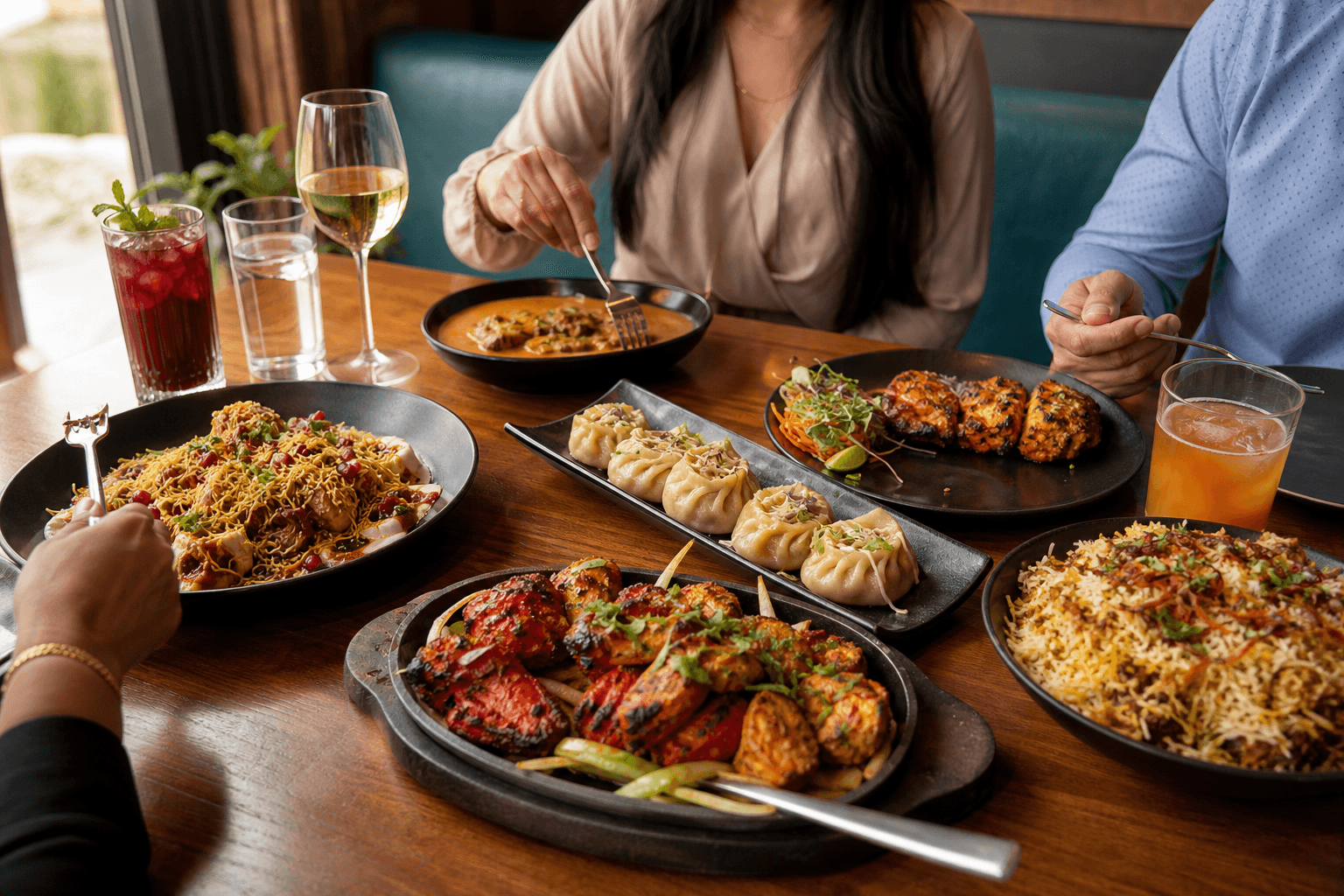
La Tikka Indian Fusion is a casual dining brand serving Kitchener and Hamilton, Ontario. Its Indian fusion concept includes North Indian dishes, Indo-Chinese cuisine, chaat, tandoori specialties, sizzlers, momos, biryanis, thalis, and more. The business states that it is continuing to grow and invites franchise interest. It is a useful example for the questions below, but this article is educational and is not an investment recommendation.
1. Check the full financial fit
The first question is not simply, “What is the franchise fee?” It is whether you can fund the entire business responsibly, including the period before the restaurant reaches a stable operating rhythm. A restaurant budget may need to account for leasehold improvements, kitchen equipment, furniture, signage, permits, insurance, technology, opening inventory, payroll, rent, utilities, marketing, professional fees, and working capital.
Separate one-time expenses from recurring costs. Model different sales and staffing assumptions instead of relying on a single optimistic forecast. Include a contingency reserve for construction delays, equipment replacement, slower opening months, and unexpected repairs. If you plan to borrow, test whether the business remains manageable when interest costs, repayments, and personal guarantees are included.
Ask the prospective franchisor:
- What are the initial fees, ongoing royalties, advertising contributions, technology charges, renewal costs, and other mandatory payments?
- What level of working capital is recommended, and how was it calculated?
- Which expenses are paid to the franchisor, and which are paid to third parties?
- What assumptions support any sales, cost, or profitability information provided?
- Which costs commonly exceed a new franchisee’s initial estimate?
La Tikka’s supplied business information describes a mid-range casual dining model with dine-in, takeout, catering, Happy Hours, and a bar-and-grill concept in Hamilton. Those channels may affect the budget and staffing plan, but the supplied information does not confirm franchise fees, royalties, startup costs, financing terms, earnings, margins, or break-even timelines. Request those details directly and do not fill gaps with assumptions.
2. Review disclosure materials with independent advisers

Before signing anything or paying a non-refundable amount, request the applicable franchise disclosure materials and proposed franchise agreement. Read them as a set: disclosure information may describe the opportunity, while the agreement establishes the obligations governing the relationship.
Pay close attention to territory rights, renewal conditions, termination provisions, transfer restrictions, purchasing requirements, performance obligations, dispute procedures, personal guarantees, insurance requirements, and default consequences. Check whether the agreement gives the franchisor discretion over suppliers, menu changes, technology, operating standards, renovations, or marketing contributions.
Record questions such as:
- What obligations continue if sales are below expectations?
- What conditions apply if you want to sell or transfer the franchise?
- What happens if the lease ends, the site becomes unsuitable, or the concept changes?
- Which promises made during the sales conversation appear in the written documents?
- Are there provisions creating personal liability beyond the company operating the restaurant?
Franchise agreements can involve significant legal and financial commitments. Obtain advice from an independent franchise lawyer and financial adviser in Ontario or the jurisdiction where you plan to operate. A general article or franchisor explanation cannot replace that review.
3. Validate the brand and customer demand
A popular dish or attractive concept is only a starting point. Your research should establish whether enough customers in the intended market are likely to return, order takeout, book groups, use catering, and accept the planned price range.
Study the customer segments the restaurant is designed to serve. For an Indian fusion restaurant, that may include diners seeking familiar North Indian flavours, guests interested in Indo-Chinese dishes, students looking for value, families sharing a broad menu, and groups planning celebrations. Consider whether your market has the right mix of customers, traffic, competition, delivery demand, and dining occasions.
La Tikka’s menu spans street-style Chaat, including samosa chaat and pani puri, as well as tandoori specialties, Sizzlers, Momos, Indo-Chinese dishes, biryani, thali meals, wraps, burgers, and desserts. This breadth may appeal to groups with different preferences, but it also raises questions about menu complexity, pricing, purchasing, and consistent execution. Investigate those questions instead of treating variety as automatic evidence of demand.
- Observe comparable restaurants at different times and on different days.
- Review local demographics, traffic, parking, delivery coverage, and nearby workplaces or schools.
- Ask how the concept performs across dine-in, takeout, catering, and promotional periods.
- Request information about retention, average transaction assumptions, seasonality, and local marketing expectations where available.
- Treat online ratings and reviews as signals about customer experience, not proof of franchise profitability or future sales.
4. Assess the restaurant’s operating demands
Restaurant ownership is an operating job, even when you plan to hire a manager. Assess the workload behind food preparation, service, scheduling, purchasing, inventory, cleaning, maintenance, customer complaints, reservations, online orders, catering, and applicable health and safety requirements.
Ask how a typical day is organised. Who opens and closes? Who checks deliveries? How are recipes and portion sizes controlled? What happens when a key employee is absent, an order is delayed, or a customer has a dietary concern? How much owner involvement is expected during opening and after the restaurant is established?
Location format matters. La Tikka’s Kitchener location is listed at 200 Highland Rd W, while its Hamilton location is listed at 339 York Blvd. Both offer casual dining, takeout, reservations, and catering, while Hamilton also has a bar-and-grill concept and late-night service. Late-night operation may require different staffing, security, scheduling, licensing, inventory, and management planning than a daytime-focused restaurant. Confirm which model applies to your proposed location.
5. Verify training, support, and franchisee responsibilities
Do not rely on broad statements such as “full support.” Ask what support includes, when it is provided, who delivers it, how long it lasts, and whether it carries an additional cost. Request written details wherever possible.
- Initial training for the owner, manager, kitchen team, and front-of-house staff.
- Opening support, hiring guidance, launch marketing, and operational assistance.
- Recipe standards, menu updates, food safety procedures, quality control, and approved suppliers.
- Point-of-sale systems, online ordering, reservations, reporting, and technology fees.
- Ongoing field visits, marketing resources, business reviews, and communication channels.
- Tasks and costs that remain the franchisee’s responsibility.
La Tikka’s supplied information confirms its concept, menu categories, dine-in and takeout services, catering, reservations, and Happy Hours. It does not establish particular franchise training, site-selection, financing, marketing, purchasing, technology, or opening-support commitments. Confirm those terms directly before using them in your business plan.
Ask whether you can speak with current or former franchisees, if any exist for the opportunity. Discuss the initial budget’s accuracy, owner time, training quality, supplier reliability, communication, and unexpected challenges.
6. Evaluate territory and location requirements
A promising concept can still struggle in an unsuitable site. Clarify how the territory is defined, whether protected territory exists, how nearby locations are approved, and whether online ordering or delivery areas overlap with other restaurants in the system.
- Visibility, access, parking, public transit, and pedestrian traffic.
- Rent, lease length, renewal options, permitted use, and renovation restrictions.
- Kitchen ventilation, gas and electrical capacity, grease handling, storage, and seating.
- Nearby residences, workplaces, schools, entertainment, and complementary businesses.
- Competition from Indian, Indo-Chinese, quick-service, delivery, and casual dining restaurants.
- Demand for dine-in, takeout, catering, events, and planned late-night service.
Because La Tikka currently serves Kitchener and Hamilton, ask how the brand defines available markets around those locations. Confirm whether the proposed territory is open, what site criteria apply, who approves the location, and who pays for feasibility work. Do not assume geographic distance alone creates exclusivity.
7. Test your personal readiness for restaurant ownership
The final check is personal fit. A restaurant franchise may require sustained involvement in staffing, customer service, cost control, scheduling, supplier relationships, and local marketing. Liking the menu is not the same as being prepared to lead the operation.
Ask yourself:
- Can I commit the necessary time, including evenings, weekends, holidays, and unexpected issues?
- Am I comfortable recruiting, training, scheduling, coaching, and retaining staff?
- Can I make decisions under pressure while protecting service quality and cash flow?
- Can I manage the financial risk if the restaurant takes longer than expected to stabilise?
- Will my family, partner, or financial stakeholders support the time and capital commitment?
- Can I follow a defined brand system while building local community relationships?
Consider your preferred role. Some owners work in the restaurant daily; others oversee a manager and focus on finance, hiring, and strategy. Neither approach works without a realistic staffing and supervision plan. Write down your expected hours, responsibilities, personal income needs, and backup plan, then compare them with the documented requirements.
Conclusion: Use the checklist before you commit
A franchise opportunity deserves further consideration only after it passes all seven checks: financial fit, independent document review, validated demand, operational suitability, verified support, a workable territory and site, and genuine personal readiness. If one area remains unclear, treat it as an open question rather than an assumption.
Request the written materials, build a conservative business plan, document every question, compare the proposed market with alternatives, and speak directly with the franchisor. Then have independent legal and financial advisers review the opportunity before signing or transferring funds. This will not remove business risk, but it can support a better-informed decision.
If you are exploring La Tikka franchise opportunities, review the brand’s concept, locations, menu, and available franchise information at La Tikka Indian Fusion’s official website, then use its current franchise or general contact route to ask about availability and next steps.