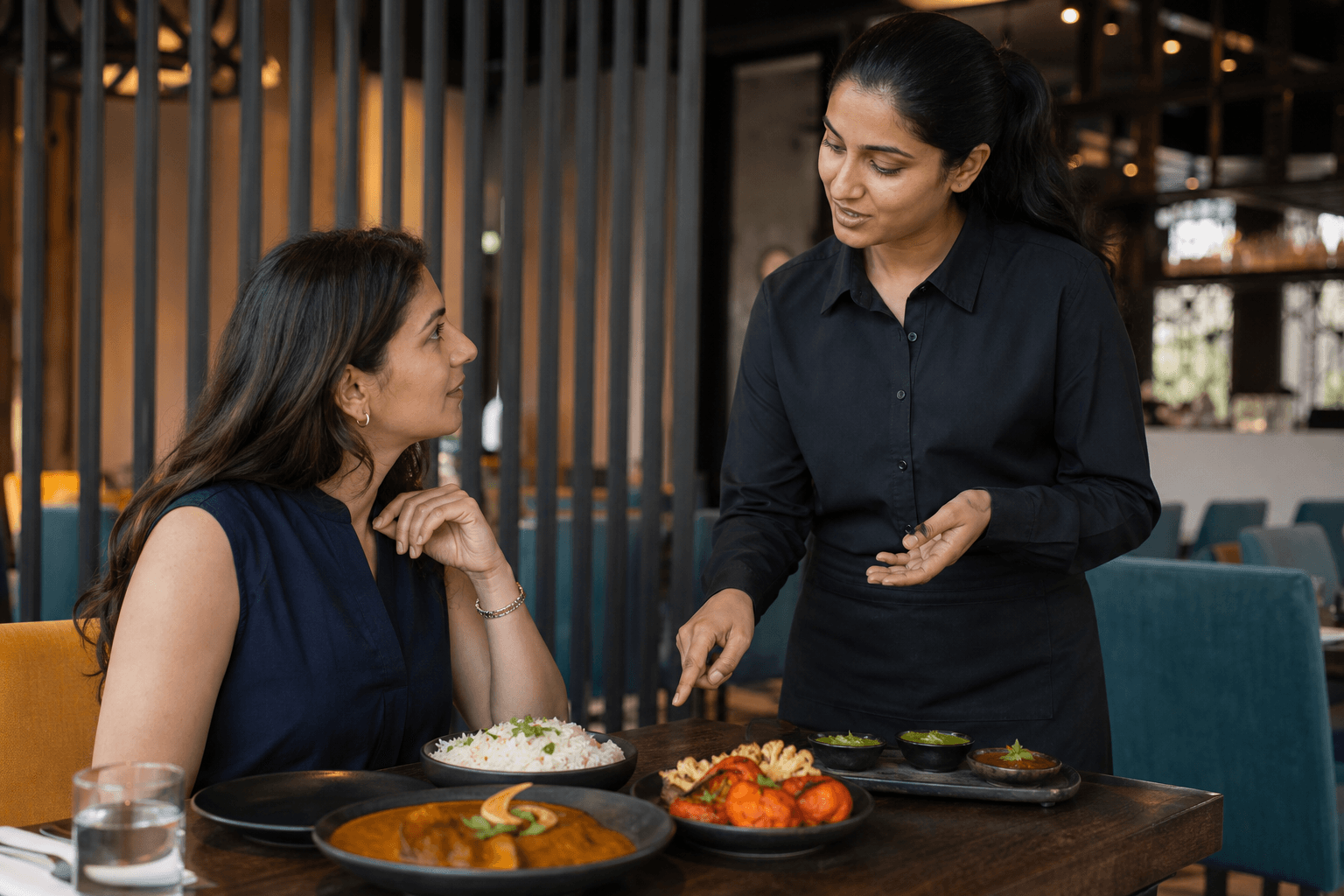
Indian cuisine includes many ingredients that may be gluten-free by nature, but an ingredient is not automatically a safely prepared restaurant meal. Sauces, marinades, breads, fried coatings, shared utensils, and preparation surfaces can all change the answer.
This guide explains what to check before ordering gluten-free Indian dishes for dine-in, takeout, or catering. It uses La Tikka Indian Fusion's verified menu categories as local context, but does not label any La Tikka dish as gluten-free because ingredients and kitchen procedures must be confirmed directly with the restaurant.
Naturally gluten-free is not the same as safely prepared
Rice, lentils, vegetables, meat, poultry, seafood, and many spices do not inherently contain gluten. However, a finished dish can be exposed during preparation or service. A sauce may contain a wheat-based thickener, a marinade may include gluten, or food may be handled with utensils previously used for naan.
Health Canada's guidance on gluten cross-contamination explains that shared equipment, utensils, hands, and food-preparation environments can create risk in restaurants. This distinction is especially important for someone with celiac disease.
There is also a difference between avoiding wheat and avoiding gluten. Wheat is one source of gluten, but gluten-related dietary requirements can also involve barley and rye. If your restriction is medically necessary, say so clearly and ask whether the restaurant can accommodate the required level of care.
Which Indian dish categories need the most checking?

Evaluate the complete preparation, not just the main ingredient.
| Category | What may require checking | Useful question |
|---|---|---|
| Rice and biryani | Stock, seasoning blends, sauces, toppings, utensils, and pans | Are all ingredients gluten-free, and is the rice prepared separately? |
| Curries and mains | Thickeners, prepared sauces, stock, and marinades | Does the recipe contain wheat, barley, rye, or an ingredient made from them? |
| Tandoori specialties and sizzlers | Marinades, coatings, sauces, skewers, and equipment | How is the exact dish marinated and cooked? |
| Chaat | Crumbled breads, fried components, chutneys, spices, and serving utensils | Are any toppings or chutneys made with wheat? |
| Momos and fried foods | Wrappers, breading, shared fryers, and surfaces | What is the wrapper or coating made from, and is the fryer shared? |
| Indo-Chinese dishes | Soy-based sauces, noodles, marinades, thickeners, woks, and utensils | Which sauce and noodles are used, and is the wok cleaned? |
| Naan and roti | Wheat flour and contact with hands, boards, ovens, and serving equipment | Are breads prepared or handled on the same surfaces? |
Rice, biryani, and curries
Plain rice may seem straightforward, but “served with rice” does not prove that an entire meal is gluten-free. Seasoned rice and biryani can include stock, spice blends, sauces, or other ingredients that need checking. Shared serving spoons and preparation vessels can also create cross-contact.
Curry requires the same attention. Some recipes use naturally gluten-free ingredients, while others may include a thickener, prepared sauce, stock, or spice blend that needs verification. Ask about the complete recipe and handling process instead of assuming a curry is safe because it is served without bread.
Tandoori dishes and sizzlers
Cooking food in a tandoor or serving it on a sizzler does not establish gluten-free status. Ask about the marinade, coatings, finishing sauce, skewers, and equipment used before the dish reaches the table.
La Tikka's verified menu includes tandoori specialties and sizzlers. These categories can help you decide what to ask about, but they cannot confirm the ingredients or preparation of an individual order. Request details for the exact dish and state your dietary requirement clearly.
Chaat, momos, and fried foods
Chaat can combine crisps, toppings, chutneys, spices, and fried elements. A vegetable-based dish may still include wheat in one topping or sauce. Ask for every component to be identified, and ask whether toppings can be omitted or served separately.
Momos require special care because the wrapper may contain wheat, while the filling and dipping sauce need separate checks. Fried foods raise another question: even if the coating contains no obvious gluten, a shared fryer can expose it to battered or breaded items.
Indo-Chinese dishes and sauces
Indo-Chinese food often depends on sauces, noodles, marinades, and wok cooking. Soy sauce is not automatically gluten-free, and noodles may be made from wheat even when a dish contains vegetables or rice. Check thickening agents and prepared sauces as part of the recipe.
La Tikka serves Indo-Chinese cuisine alongside North Indian and Indian fusion dishes. For a Hakka-style dish, ask which sauce and noodles are used, whether the wok and utensils are cleaned before preparation, and whether the order can be made without the relevant sauce or noodle ingredient.
Naan, roti, and other obvious wheat sources
Naan and roti are clear wheat-related items to avoid, but removing bread is only the first step. Wheat may also occur in fried coatings, sauces, marinades, noodles, toppings, and prepared spice or stock products.
Ask whether the requested food will be assembled on a surface or with utensils used for bread. A gluten-free ingredient can become unsuitable through contact during preparation or serving.
Questions to ask before ordering
- Does the dish contain wheat, barley, rye, or an ingredient made from them?
- Are the sauce, marinade, stock, spice blend, and thickener verified for gluten-free ingredients?
- Are noodles, wrappers, coatings, toppings, and chutneys prepared separately?
- Is the food cooked in a shared fryer, wok, tandoor, grill, or other equipment?
- Are clean utensils, gloves, pans, boards, and serving surfaces used?
- Can the restaurant accommodate a medically necessary gluten-free request?
- Who will communicate the requirement to the kitchen and confirm the order?
If staff cannot answer clearly, do not guess. Someone with celiac disease may need to choose another restaurant or postpone the order rather than rely on a menu category.
How to order for dine-in, takeout, and catering
Dine-in
Tell the server before choosing dishes. For a medically necessary diet, ask whether a manager or kitchen lead can confirm ingredients and preparation. Include sauces, garnishes, shared sides, and toppings in the discussion.
Takeout or online ordering
Online menus may not answer cross-contact questions. Call ahead if needed, repeat the requirement when placing the order, and verify that sauces, breads, crispy toppings, and utensils have not been added unintentionally.
Groups and catering
Identify dietary requirements before selecting a group menu. Ask the caterer to confirm each proposed dish, how it will be packed, and whether gluten-containing foods will share containers or serving utensils.
La Tikka offers reservations, takeout, and catering in Kitchener and Hamilton. Availability, ingredients, and procedures can change, so confirm current details with the relevant location before finalizing an order.
Choosing an Indian restaurant in Kitchener or Hamilton
La Tikka Indian Fusion is a casual dining restaurant serving Kitchener and Hamilton. Its verified menu includes chaat, sizzlers, tandoori specialties, Indo-Chinese dishes, momos, biryani, thalis, wraps, burgers, and desserts. That variety can suit groups with different preferences, but each dish and component needs separate assessment when gluten is a concern.
Review the current menu and contact the location where you plan to dine, order takeout, or arrange catering. Ask for preparation details rather than relying on labels such as rice, curry, tandoori, or chaat.
Frequently asked questions
Is rice automatically gluten-free at an Indian restaurant?
No. Rice itself does not contain gluten, but seasoned rice or biryani may include other ingredients that require checking. Shared utensils, pans, or surfaces can also create cross-contact.
Are tandoori dishes always gluten-free?
No. Marinades, sauces, coatings, skewers, and shared equipment can affect the answer. Confirm the exact preparation.
Can curry contain gluten?
Yes, depending on the recipe and prepared ingredients. Ask about thickeners, stock, spice blends, sauces, and cross-contact.
Is naan the only Indian food made with wheat?
No. Roti is another obvious example, but wheat can also occur in noodles, wrappers, fried coatings, sauces, toppings, and prepared ingredients.
Is soy sauce gluten-free in Indo-Chinese dishes?
Do not assume so. Ask which soy sauce or substitute is used, and check noodles, marinades, thickening agents, wok, and utensils.
Are fried Indian foods safe for a gluten-free order?
Not automatically. The coating may contain wheat, and a shared fryer can create cross-contact.
What should someone with celiac disease ask before ordering?
Explain that the requirement is medically necessary. Ask about ingredients, shared equipment, utensils, hands, surfaces, fryer use, and how the kitchen will handle the order. If staff cannot provide a clear answer, consider another option.
Can I arrange gluten-free Indian catering for a group?
Ask whether the caterer can accommodate the requirement, then confirm each dish, packaging method, serving utensils, and cross-contact controls in advance.
Choose by preparation, not just by dish name
The best way to evaluate gluten-free Indian dishes is to verify the ingredient, sauce, marinade, cooking method, equipment, and serving process. Rice, curry, tandoori food, chaat, and Indo-Chinese dishes may all be possibilities, but none is automatically safe based on its name alone.
For dine-in, takeout, or catering in Kitchener and Hamilton, check the current menu and discuss the exact order directly with the restaurant. To review current dining, takeout, reservation, and catering options, visit La Tikka Indian Fusion.