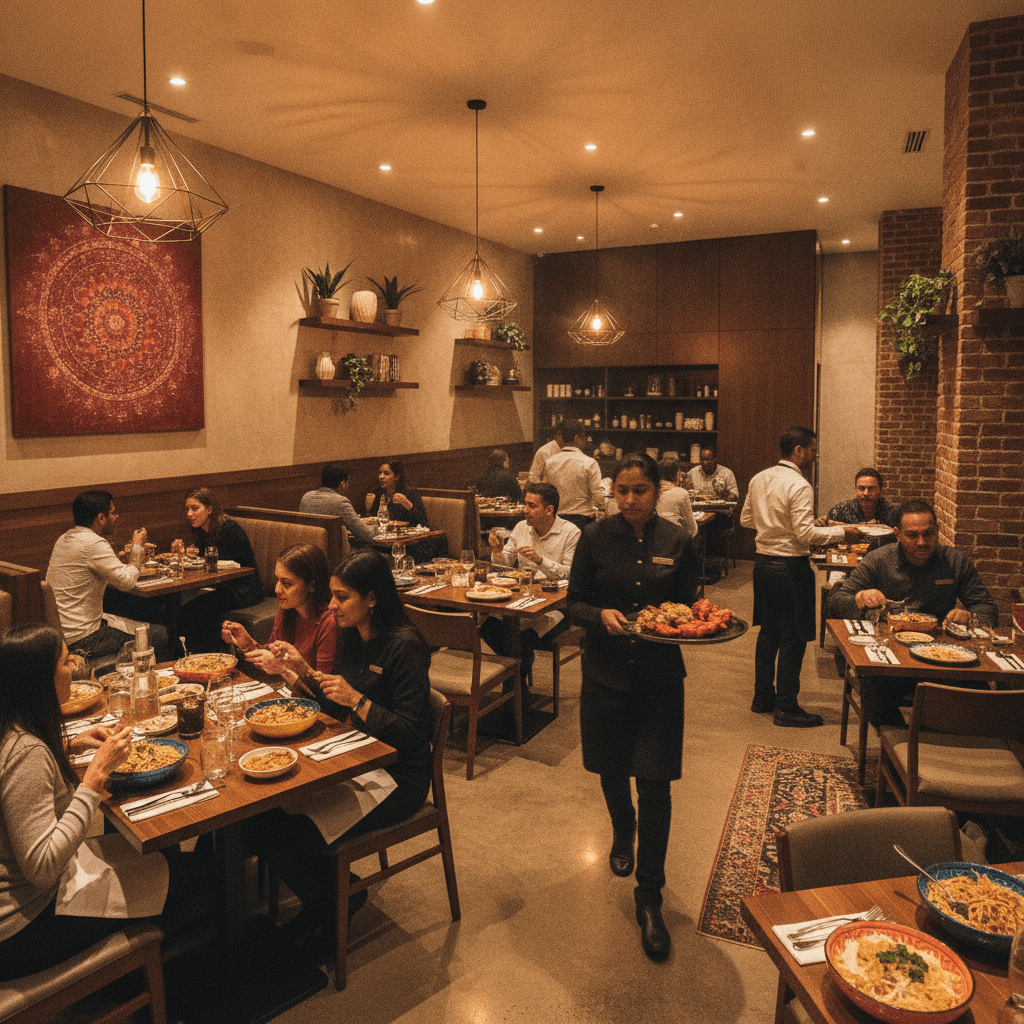
How restaurant franchises grow locally is simple to say and hard to do: win the neighborhood. In Cherry Hill, that means tightening operations, adapting a small slice of the menu to local tastes, showing up at community moments, and turning great service into reviews that fuel Maps and search discovery.
By La Tikka Indian Fusion • Last updated: 2026-06-26
Above-Fold Section
Local franchise growth happens when each unit becomes the go-to spot for nearby guests. Nail consistency, localize 10–15% of your offer, and build trust through events and reviews. Stack those wins location by location and you create durable regional momentum without losing brand standards.
We’ve grown La Tikka from a stall to two Ontario restaurants by pairing disciplined operations with neighborhood-first habits. In our experience, most visits come from a 3–5 mile radius, so we design every play around nearby households, workplaces, and campus life. This guide translates that playbook to any cuisine.
Quick Summary
Here’s the play in short: validate demand, lock operations, add a light local layer, engage weekly in the community, and drive a steady drumbeat of reviews. Measure guest frequency, ticket times, and review velocity weekly to keep each unit comping positively.
- What you’ll learn: A step-by-step system for how restaurant franchises grow locally, with examples from an Indian fusion brand.
- Who it’s for: Founders, franchise operators, GMs, and marketers building neighborhood traction.
- Why it matters: Local traffic compounds; strong unit economics fund your next opening.
- Outputs: A localization checklist, launch calendar, review flywheel, and KPI dashboard.
Local considerations for Cherry Hill
- Plan seasonal sampling near Victoria Park community events to spark first tastes and word-of-mouth.
- Match menus to weather swings: promote sizzling platters and chai on cool, rainy evenings common in spring and fall.
- During cultural festivals, flex staffing between dine-in and takeout; cross-train to protect ticket times while handling surges from the Schneider Haus National Historic Site area.
What Is Local Franchise Growth?
Local franchise growth is the disciplined replication of a proven restaurant concept across nearby neighborhoods while protecting brand standards and adapting to local demand. It blends site selection, light menu localization, community engagement, and repeatable operations to increase guest frequency and same-store sales.
Think of it as scaling hospitality, not just square footage. Your brand heroes stay constant—at La Tikka, that’s chaat, momos, Indo-Chinese, sizzlers, and tandoori specialties—while a small “neighborhood picks” layer flexes to local tastes. The goal is reliable experiences that feel tailored, not templated.
- Non-negotiables: documented recipes, precise prep, consistent training, and supply chain reliability.
- Flexible layer: 2–4 rotating items, heat-level options, or sides that nod to local preferences.
- Neighborhood presence: weekly touchpoints—events, partnerships, or sampling—that keep you top of mind.
Why Local Growth Matters
Local growth compounds. When each unit wins its 3–5 mile trade area, cash flow funds new openings, guest buzz travels, and hiring pipelines strengthen. Community trust lowers launch friction, and a consistent brand experience shortens the path to repeat visits.
Here’s the thing: restaurants are proximity businesses. Most guests choose familiar, reliable spots close to home or work. When your brand shows up consistently—on the plate, on time, and in the community—repeat visits accelerate. We’ve seen weekly cadence (events, offers, new-item trials) create habit far more effectively than one-off splashes.
- Compounding effect: predictable unit performance enables measured expansion and better lease negotiations.
- Recruiting edge: recognized neighborhood brands attract stronger applicants and referrals.
- Supplier leverage: standardized volume improves consistency and reduces operational noise.
How Restaurant Franchises Grow Locally (Step-by-Step)
Follow a seven-step loop: define your trade area, validate demand, lock operations, localize the menu, launch community-first, win search and maps, and measure weekly. Repeat that loop for each unit to scale without losing quality.
- Define the trade area: Map a 3–5 mile radius; note daytime drivers (offices, schools, hospitals) and weekend magnets (parks, museums). In Cherry Hill, parks and cultural sites drive weekend families.
- Validate demand: Scan reviews and search interest for your cuisine. Track top questions and must-have dishes. For Indian fusion, we validate around chaat, momos, Hakka noodles, and sizzlers.
- Lock operations: Before opening another unit, script recipes, prep lists, line checks, expo standards, and training modules. Aim for sub-15 minute ticket times at peak with a clear backup plan.
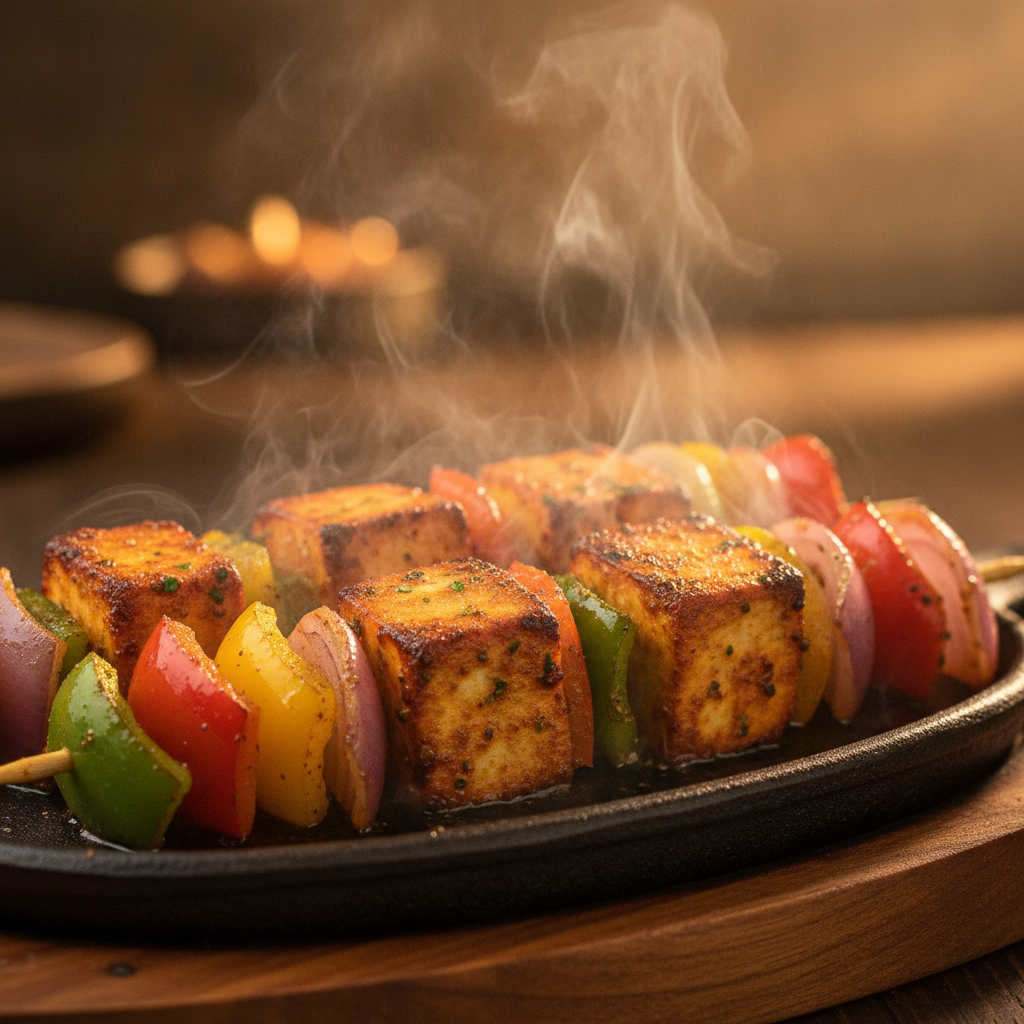
- Localize lightly: Keep hero items (e.g., Butter Chicken, Paneer Shashlik Sizzler) constant. Add 10–15% local flex—heat options, a seasonal chaat, or a neighborhood-inspired mocktail.
- Community-first launch: Line up school partnerships, park pop-ups, and cultural-festival sampling for your first 30–60 days. One weekend can introduce hundreds to your flavors.
- Win search and maps: Ask for reviews with table touches and QR codes; respond within 24–48 hours. Keep hours, photos, and menus current across listings.
- Measure weekly: Review velocity, repeat-visit indicators, on-time tickets, and catering inquiries. Adjust staffing, prep, and promotions in short cycles.
Types and Formats That Support Local Growth
Use the right format for each neighborhood: company-owned or franchised units, area development agreements, and smaller formats like kiosks or ghost kitchens. Each offers a trade-off between control, capital, speed, and local fit.
| Format | Control | Capital Need | Speed | Community Fit | Where It Shines |
|---|---|---|---|---|---|
| Company-Owned | Highest | Higher | Moderate | Strong if ops are tight | First 2–4 units, proving playbooks |
| Franchised Unit | Shared | Lower per unit | Faster | Strong with great training | Rapid regional expansion |
| Area Developer | Shared | Moderate | Fastest | Varies by partner | Multi-city rollouts |
| Kiosk/Pop-up | High | Low | Fast | Event-driven | Testing menus, festivals |
| Ghost Kitchen | High | Low–Moderate | Fast | Delivery-first | Market seeding, off-peak use |
Take a practical path: prove consistency in one or two company units, then consider franchised partners where your ops manual is truly plug-and-play. Use pop-ups and catering to pre-seed demand, then convert the strongest pockets into permanent stores.
Best Practices: Guardrails That Let You Flex Locally
Protect the core, flex the edges. Document the brand’s non-negotiables, then localize one layer—sauces, heat levels, or sides. Create weekly community touchpoints and a review flywheel so each store builds trust, then momentum.
- Codify standards: A living ops manual with recipes, line setups, expo flows, and guest-recovery scripts. Audit monthly, coach weekly.
- Localize a layer: Offer mild/medium/hot defaults, a seasonal chaat, or a neighborhood mocktail. Keep 85–90% identical across stores.
- Signature heroes: Lead with recognizable winners—Butter Chicken, Paneer Shashlik Sizzler, Hakka noodles, or chili momos—so new guests “get” your brand fast.
- Weekly community rhythm: Parks pop-up, campus collab, charity night, or sports-team partnership. Consistency beats novelty.
- Review flywheel: Train servers to invite feedback; place printed QR prompts; reply to reviews within 24–48 hours with thanks and specifics.
- Catering engine: Push office lunches and celebrations. Every tray can introduce dozens of first-time guests who later visit dine-in.
At La Tikka, sizzlers and tandoori specialties anchor the experience while a rotating chaat or mocktail scratches the “local” itch. That mix has helped us connect with students, families, and late-night diners in different neighborhoods without splitting the brand.
Tools and Resources You’ll Actually Use
Use simple, integrated tools: a POS that tracks item-level mods, a reputation system for reviews, scheduling for social, workforce tools for labor, and a basic CRM or spreadsheet for catering. Add site selection data only when scouting your next unit.
- POS + Kitchen display: Item-level sales, mods, and prep times to spot friction. Target sub-15 minute peaks.
- Reputation management: Automate prompts; reply fast. A steady flow of fresh reviews lifts Maps visibility.
- Social scheduling: Batch weekly posts; spotlight local partners and behind-the-scenes prep.
- Workforce tools: Forecast labor to demand; cross-train to flex between dine-in and takeout spikes.
- Catering tracker: Tag event size, source, and follow-up. Each event seeds future reservations.
- Site data: Footfall patterns, parking ease, and delivery reach guide your next lease discussion.
For franchise operators seeking reference frameworks, see franchising playbooks from established brands. They reinforce the basics: protect the core, train hard, and grow through local relevance.
Case Studies: How We Apply This at La Tikka
Our growth story pairs a consistent core with neighborhood flex. We keep signature heroes constant, then adapt energy, hours, and a rotating layer to the local scene. Community rhythm and catering create steady discovery and repeat visits.
Kitchener → Hamilton: Same Core, Local Flex
- Core held: Chaat, momos, Hakka Chinese, tandoori specialties, sizzlers, and biryani anchor both locations.
- Flex added: Hamilton’s late-night bar energy shaped mocktail and pairing experiments during prime hours.
- Outcome: Late-night service meets local demand without compromising kitchen standards.
Sizzlers as Signature
- Why it works: Sizzlers are visual, aromatic, and immediately communicative to new guests.
- How we optimize: Ticket-time discipline and line setup ensure the “sizzle” shows up hot and fast.
- Result: Faster brand understanding for first-timers, stronger upsell pathways.
Happy Hour Cadence
- Cadence: Daily windows create reliable trial opportunities and rhythm for the team.
- Programming: Feature approachable items (wraps, chaat, mocktails) that welcome newcomers.
- Effect: Predictable bursts that train repeat behavior midweek and early evenings.
Catering as Awareness Engine
- Approach: Pair trays that travel well (Indo-Chinese, wraps, biryani) with a few bold signatures.
- Tactic: Collect host feedback within 24 hours; nudge first-time tasters to visit dine-in.
- Benefit: Every event introduces dozens—sometimes hundreds—of potential new guests.
How to Run a Local Launch That Sticks
Stack three waves: pre-seed awareness with pop-ups and catering, open with community partners, and maintain a weekly rhythm of activations and new-item trials for 8–12 weeks. Capture reviews from day one to fuel Maps.
- Pre-seed (T-60 to T-14): Pop-ups near parks and campuses; sample hero items and collect follows. Secure 3–5 partner nights with local groups.
- Opening (Week 1–2): Ribbon moment with partners; predictable hours; managers on the floor. Invite reviews with QR prompts and table touches.
- Momentum (Week 3–12): One weekly activation (charity, school, sports team), a rotating “neighborhood pick,” and steady social proofs.
- Quality guardrails: Keep ticket times within target; cap the number of new items until speed is stable.
- Feedback loop: Read reviews daily; fix patterns within 72 hours; thank guests specifically.
Menu Localization Framework (Without Diluting the Brand)
Keep 85–90% of the menu identical and localize a 10–15% layer. Use heat options, seasonal sides, or one rotating special. Track contribution margin and review mentions; retire items that don’t earn their place.
- Keep the heroes: Butter Chicken, Paneer Shashlik Sizzler, chili momos, Hakka noodles, biryani, and tandoori mains.
- Local layer: A seasonal chaat, a neighborhood mocktail, or a “mild-first” variant for newcomers.
- Measure: Track sales mix, prep complexity, and guest mentions in reviews and DMs.
- Educate: On menus and social, explain what makes signatures special; new guests decide faster when informed.
Community Activation Calendar (12 Weeks)
Consistency beats splash. Plan 12 weeks of small but steady activations: parks pop-ups, school nights, campus collabs, and cultural tie-ins. Assign owners, set goals, and recap results within 48 hours.
- Week 1–4: Park sampling, a school partner night, and a neighborhood photo contest around favorite dishes.
- Week 5–8: Cultural festival tie-in; university club collab; charity giveback day.
- Week 9–12: “Neighborhood picks” feature; team spotlight; behind-the-scenes prep reel.
- KPI recap: Foot traffic lift, follows, review count, and catering leads generated.
Maps and Reviews Flywheel
Fresh, specific reviews and accurate listings drive discovery. Ask in-person, automate follow-ups, and reply within 24–48 hours. Update photos, hours, menus, and attributes monthly so searchers see a living, reliable brand.
- Ask early and often: Train servers to invite feedback right after check presentation.
- Make it easy: QR codes on table tents; post-visit prompts via email or SMS.
- Reply well: Thank by name when possible, reference the dish, and note a fix if relevant.
- Refresh visuals: Add 5–10 new photos monthly; spotlight signatures and busy dining rooms.
Established brands publicly share approaches to ops and community-building; for a franchise-side perspective, see this franchise owner overview. It echoes the value of training, standards, and neighborhood relevance.
Staffing, Training, and Culture
Hire for hospitality, train for speed, and coach for consistency. Cross-train to flex between dine-in and takeout surges. Recognize wins weekly so frontline energy carries into guest experiences and reviews.
- Hire for attitude: Friendly, curious, coachable. Skills can be trained; hospitality instinct is gold.
- Train to scripts: Greeting, menu guidance, review invites, and recovery lines. Roleplay weekly.
- Cross-train: FOH/BOH support during rushes; clear backup positions for peak 90 minutes.
- Coach with data: Share ticket-time dashboards and review snippets with the team.
Operations, KPIs, and Cadence
Inspect what you expect. Review ticket times, repeat-visit indicators, review velocity, and catering leads weekly. Host a 20-minute cadence meeting to assign owners and close loops fast.
- Ticket times: Sub-15 minute peaks for core categories; measure and post daily.
- Repeat signals: Reservations under the same names, loyalty enrollments, and DMs from prior guests.
- Review velocity: Aim for a steady weekly flow; freshness helps discovery.
- Catering: Track inquiries → tastings → bookings; each stage gets an owner and due date.
Risk Mitigation When You Add Units
De-risk growth by proving your playbook in one more company-owned unit, then expanding with partners who embrace training and audits. Cap new items until speed stabilizes; stage openings to protect cash and quality.
- Pilot first: Add one company unit to expose gaps in training, prep, and supply before franchising.
- Partner fit: Select franchisees who value ops and community—not just openings.
- Stagger openings: Protect leadership bandwidth; don’t stretch trainers too thin.
- Supply guardrails: Second-source key SKUs and document substitutions.
Helpful References (Process and Checklists)
Lean on simple, practical guides to stay organized. A few public franchise resources outline checklists, openings, and operator expectations—use them to stress-test your own playbooks and training modules.
For a process lens, browse an operator-focused franchising archive. For general planning prompts and marketing ideas, consult this restaurant growth guide and a concise franchising checklist to pressure-test your own SOPs.
Talk through your local growth plan
Want a second opinion on launch cadence, menu localization, or review flywheels? Outline your next 12 weeks with this guide, then share it with your leadership team for feedback.
Frequently Asked Questions
New to franchising or adding units? These concise answers cover first steps, localization, reviews, and catering. Use them to align your team before you break ground or sign the next lease.
What’s the first step before franchising?
Prove your playbook. Lock recipes, training, and supply, then open one more company unit. Use that pilot to close gaps in prep, ticket times, and guest recovery before handing the system to partners.
How do we localize without losing the brand?
Keep heroes unchanged and localize 10–15% of the menu—heat levels, one seasonal item, or a neighborhood mocktail. Measure sales mix and review mentions; retire items that don’t earn their place.
What weekly metrics matter most in early weeks?
Ticket times at peak, review velocity and freshness, repeat-visit signals, and catering leads. Hold a 20-minute cadence meeting weekly to assign owners and close loops fast.
Where does catering fit in local growth?
Catering is an awareness flywheel. Each event introduces dozens of first-timers to your flavors. Follow up within 24 hours, thank the host, and invite guests to visit dine-in for the full experience.
Conclusion
Winning locally is repeatable. Prove operations, add a light local layer, engage weekly, and fuel a reviews flywheel. Measure relentlessly, then scale the units and the habit. That’s how restaurant franchises grow locally—one trusted neighborhood at a time.
- Key takeaways: Protect the core; flex the edges; show up every week; reply to reviews fast; measure and coach.
- Next steps: Draft your 12-week activation calendar, build a review script, and pilot your localized layer in one store.
- Cherry Hill lens: Align with park events and cultural calendars; prep for weather-driven traffic swings.