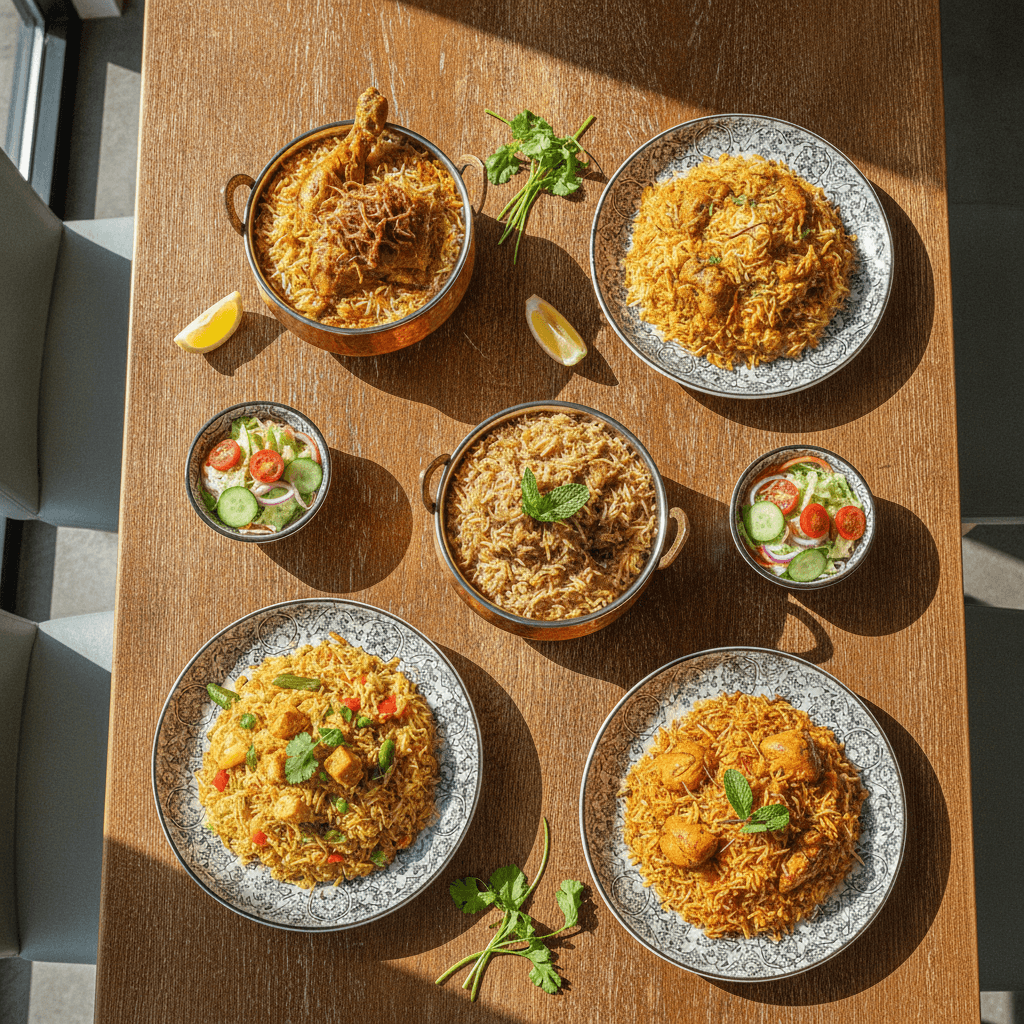
Biryani selection is the process of matching rice quality, regional style, protein or vegetables, and spice level to your taste and occasion. To choose the right biryani in Cherry Hill, focus on basmati grain length, aroma, and sides like raita or salan. This approach yields balanced flavor and satisfying portions.
By La Tikka Indian Fusion • Last updated: June 30, 2026
Overview
Choosing the right biryani means aligning basmati texture, spice profile, and protein with how you like to eat. Start with long-grain basmati, decide on a regional style, confirm heat level, and add cooling sides. This quick framework helps you order confidently and enjoy consistent results.
At La Tikka Indian Fusion, guests in Kitchener and Hamilton come for bold, balanced flavors. In our experience, a few checks up front—grain quality, spice level, and sides—increase diner satisfaction dramatically. You’ll see how to apply those checks step by step, with local tips for Cherry Hill outings near Victoria Park.
Before You Start (Prerequisites)
Set a clear preference for texture, heat, and protein before you order biryani. Decide on fluffy vs. rich rice, mild vs. hot spice, and vegetarian vs. meat. Confirm available sides like raita and salan. These choices guide the best style and ensure a smooth dining experience.
- Texture target: Basmati should be long, separate, and fluffy. Aim for clearly defined grains, not sticky clumps.
- Spice comfort: Pick mild, medium, or hot upfront. A small step up in heat is easier than dialing it back.
- Protein or veg: Choose chicken, goat, lamb, shrimp, paneer, or mixed vegetables based on what you enjoy most.
- Occasion size: Solo meal, date night, or group? Choose portions and serving style accordingly.
- Side strategy: Confirm raita (yogurt-cucumber), salan (peppery gravy), and lemon wedges to balance richness.
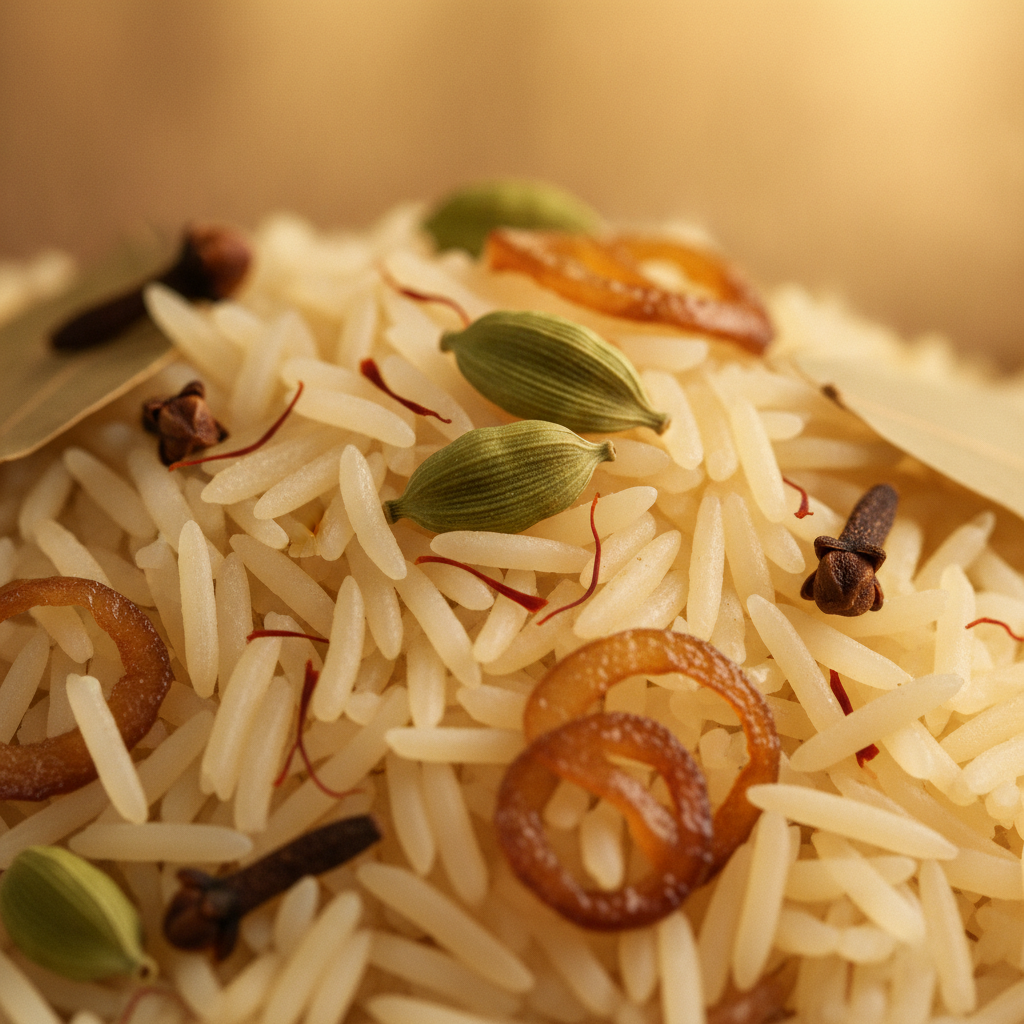
Practical data points help you dial in choices quickly. For instance, fluffy biryani typically shows distinct basmati grains about three-quarters to one inch long after cooking. Many kitchens target a 1.25:1 to 1.5:1 liquid-to-rice ratio by volume, adjusting for dum (sealed-pot) vs. open-pot methods.
Local considerations for Cherry Hill
- Plan group dining around park strolls. A weekend biryani meet-up pairs well with a walk through Victoria Park, making timing easy for families and students.
- Seasonal heat matters. In warmer months, a medium-spice biryani with extra raita keeps the meal refreshing during sunny afternoons.
- Pre-order smarter. When coordinating event catering or large tables, align biryani styles (veg and chicken) and spice levels in advance to streamline service near the Schneider Haus National Historic Site.
Step-by-Step: How to Choose the Right Biryani
Evaluate biryani in five steps: inspect basmati quality, pick a regional style, set spice level, choose protein or vegetables, then confirm sides. This order prevents flavor clashes, balances richness, and delivers a reliable, crowd-pleasing plate every time.
- Check the rice: Look for long, separate grains with gentle sheen. Lightly press a spoonful: grains should spring apart, not mash.
- Choose the tradition: Decide between richer, layered dum styles and lighter, pilaf-like versions to match mood and appetite.
- Lock the heat: Mild for delicate palates, medium for balanced warmth, hot for a pepper-forward punch.
- Pick the centerpiece: Chicken is classic; lamb or goat adds depth; paneer and mixed vegetables provide a satisfying vegetarian route.
- Balance with sides: Raita cools, salan adds tang and bite, lemon lifts aromatics. Use all three for harmony.
- Size it right: Shareable handi-style service works well for groups; individual plates suit solo diners.
- Pair smart beverages: Opt for cooling mocktails or light beer styles to complement spice without muting aromatics.
Small adjustments create big gains. For example, medium spice plus extra raita increases comfort for mixed-heat groups, which we’ve found leads to more consistent smiles around the table during busy weekends.
Regional Styles and What to Expect
Regional biryanis vary in fragrance, richness, and texture. Hyderabadi is layered and aromatic; Lucknowi (Awadhi) is refined and delicate; Kolkata leans sweet-spiced with potatoes; Malabar is coastal and coconut-kissed. Match style to your preferred mouthfeel and spice warmth for the best experience.
| Style | Signature Traits | Best For | Heat |
|---|---|---|---|
| Hyderabadi (Dum) | Layered rice/meat, saffron, fried onions; deep aroma | Rich dinners, sharing handis | Medium to Hot |
| Lucknowi (Awadhi) | Delicate fragrance, lighter spice, elegant texture | Refined palates, first-time try | Mild to Medium |
| Kolkata | Subtle sweetness, potatoes, whole spices | Comfort seekers, mixed spice groups | Mild to Medium |
| Malabar | Coastal notes, ghee, sometimes coconut accents | Seafood or lighter proteins | Mild to Medium |
As a rule of thumb, layered dum biryanis tend to feel richer because steam and ghee are sealed in. Lighter, pilaf-like versions present more distinct grains and a gentler spice halo. Neither is “better”—they serve different moods and appetites.
Pairings and Sides that Elevate Biryani
Pair biryani with cooling raita, tangy salan, bright lemon, and crisp salads. For social spreads, add chaat or light snacks before biryani and simple desserts after. Balanced sides enhance aroma, soften heat, and keep each bite interesting.
- Cooling elements: Cucumber raita lowers perceived heat and refreshes the palate between bites.
- Contrast sauces: Salan or a peppery gravy adds savory depth and cuts richness.
- Fresh acids: Lemon wedges brighten saffron and fried-onion aromatics.
- Pre-biryani bites: Light chaat or namkeen keeps hunger at bay without dulling the main course.
- Simple desserts: A small, well-crafted mithai square finishes the meal without overwhelming spice memory.
For broader context on light Indian snack pairings, explore this Indian snacks guide and a breakdown of namkeen varieties and pairings. For dessert ideas after a spicy main, see a premium mithai selection overview. Use these as inspiration when planning group menus.

Troubleshooting Common Biryani Pitfalls
If biryani feels too spicy, too oily, or too dry, fix balance with raita, lemon, or extra salan. Ask for medium heat next time, request lighter ghee, or choose a delicate style. Small tweaks restore harmony quickly.
- Too spicy: Add raita and a squeeze of lemon; sip water between bites rather than chugging.
- Too oily: Request a lighter hand with ghee on your next order and add a side salad now.
- Too dry: Mix in salan or a spoon of raita to reintroduce moisture and round edges.
- Overcooked rice: Order a pilaf-leaning style next time; it usually holds firmer grains.
- Under-seasoned: A pinch of salt on raita and a lemon wedge can quickly lift aromatics.
In our dining rooms, we see the fastest recoveries come from table-side balance moves—especially raita and lemon. For future orders, communicate your preferred heat and richness clearly; it shortens the path to your perfect plate.
Advanced Tips (Optional)
Fine-tune biryani like a pro by matching grain age, ghee level, and garnish to your mood. Older basmati cooks longer and smells nuttier; lighter ghee preserves grain separation; fresh herbs and fried onions add texture and aroma on demand.
- Grain age: Aged basmati (often 1–2 years) tends to elongate more and deliver a nuttier scent.
- Ghee control: Request lighter ghee for ultra-fluffy grains; richer ghee for luxurious mouthfeel.
- Onion strategy: Ask for fried onions on the side so you can dial sweetness and crunch.
- Herb burst: A handful of cilantro or mint over the top intensifies fragrance without extra heat.
- Protein swap: Try paneer or mixed veg when the table already includes rich mains like butter chicken.
Here’s the thing: tiny shifts can reshape the entire experience. A lighter ghee finish and extra mint will make the same biryani feel bright and picnic-ready; richer ghee and more fried onions lean cozy and dinner-party perfect.
Planning a group meal? Our teams in Kitchener and Hamilton handle reservations and catering for casual meetups and celebrations. Tell us your heat preferences, proteins, and sides, and we’ll shape a balanced spread around your favorite biryani.
Contact La Tikka Indian Fusion to coordinate your visit.
Quick Summary
Select your biryani by rice texture, regional style, heat level, and sides. For mixed groups, choose medium heat and both veg and chicken options. Pair with raita, salan, and lemon for balance, and plan portions around whether you’re sharing a handi or dining solo.
- Choose long-grain, separate basmati for ideal texture.
- Match regional style to mood: dum-rich vs. lighter pilaf-like.
- Lock heat before ordering; medium fits most tables.
- Balance with raita, salan, and lemon wedges.
- Size to occasion: shareable handis for groups, plates for solo eaters.
Frequently Asked Questions
Common biryani questions focus on rice, spice, and sides. The best approach is to choose long-grain basmati, set a comfortable heat level, and secure raita and salan. These three decisions consistently deliver a balanced, enjoyable meal.
How do I choose the right biryani if I’m new to it?
Start with long-grain basmati, a mild-to-medium spice level, and a familiar protein like chicken or paneer. Add raita and lemon to balance richness. This combination delivers classic flavor without overwhelming heat or heaviness.
What sides pair best with spicy biryani?
Cooling raita, a tangy salan, and fresh lemon wedges work best. They reduce perceived heat and refresh your palate between bites. A light salad adds crunch and brightness without competing with the biryani’s aromatics.
Which biryani style is richest for dinner parties?
Layered dum styles, like Hyderabadi, feel richest thanks to sealed steam, saffron, and ghee. They’re great for sharing handis. For a lighter feel, choose a refined, pilaf-leaning style such as Lucknowi (Awadhi).
How can I make a group order easier?
Agree on medium spice and order both vegetarian and chicken options. Request raita on the side, and serve lemon wedges at the table. This setup satisfies most tastes and simplifies last-minute adjustments.
Key Takeaways
Great biryani starts with long-grain basmati and ends with balanced sides. Set heat to comfort, match style to mood, and size to the occasion. These simple moves turn first-time orders into go-to favorites.
- Rice quality, regional style, and spice level determine your baseline.
- Raita, salan, and lemon fix most balance issues fast.
- Medium heat plus mixed proteins covers diverse palates.
- Choose shareable handis for groups; plates for solo.
Conclusion
To choose the right biryani, decide on basmati texture, regional style, heat, and sides in that order. This practical checklist ensures reliable flavor, easy sharing, and a comfortable spice level for everyone at the table.
Whether you’re planning a Cherry Hill picnic near the park or a lively dinner downtown, a simple framework makes selection stress-free. At La Tikka Indian Fusion, we build menus around real preferences—veg and chicken balances, medium heat, and raita on standby—so every bite feels just right.
Additional Resources
Use this section to plan group meals with confidence. Combine biryani with light starters and small desserts, set clear spice levels, and confirm sides. A brief plan upfront turns casual meetups into smooth, memorable gatherings.
- Group planning checklist: veg + chicken + medium heat + raita + lemon.
- Pre-game with light chaat; close with one-bite mithai.
- Reserve tables early for weekends and campus breaks.