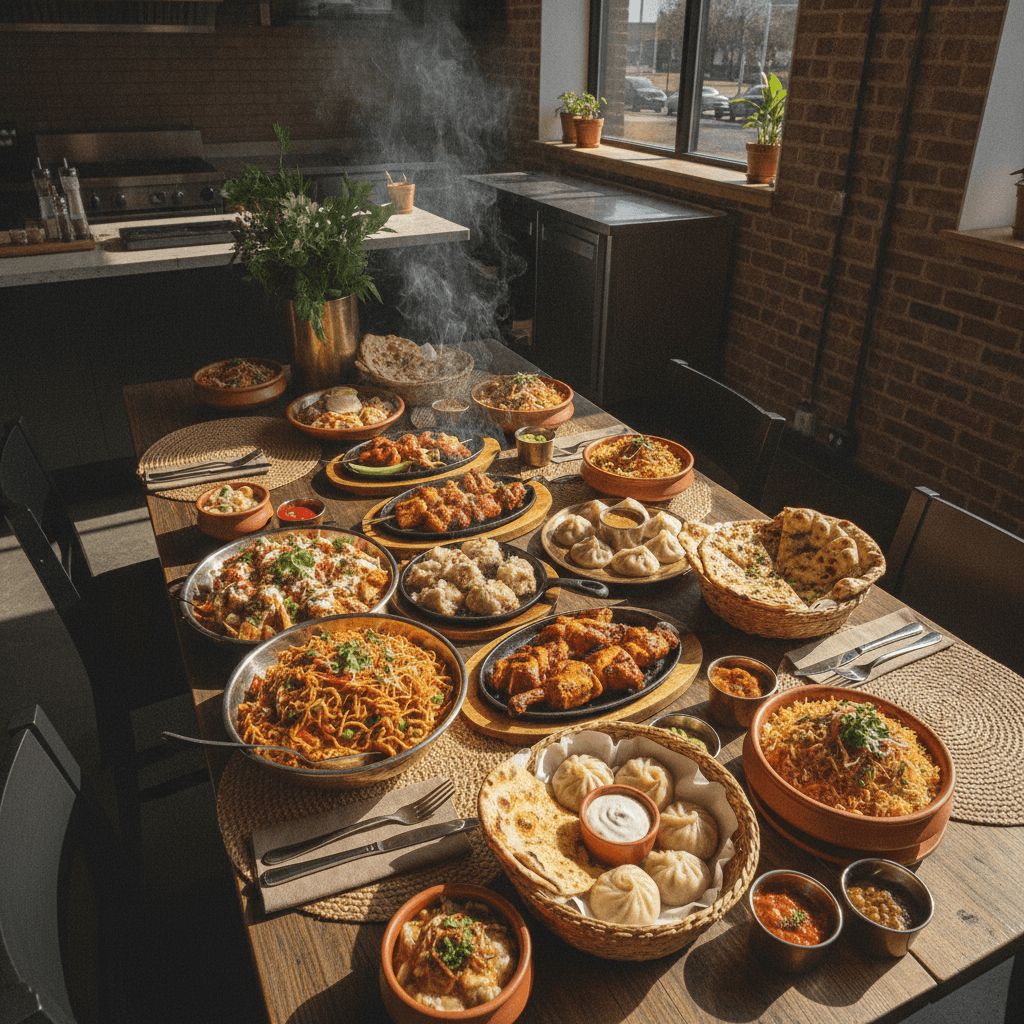
Kitchener Indian restaurant menu guide refers to a practical, category-by-category roadmap that helps Cherry Hill diners decode dishes, choose spice levels, and plan balanced meals. It clarifies what to order for dine-in, takeout, reservations, and catering—using La Tikka Indian Fusion’s real menu (chaat, momos, Indo-Chinese, tandoori, sizzlers, biryani, thali, wraps, desserts, beverages) as examples.
By La Tikka Indian Fusion • Last updated: 2026-06-25
How to use this guide
Scan the menu by category, then match dishes to your group’s tastes and spice comfort. Start with shareable chaat or momos, add a protein-led main or sizzler, round it out with biryani or bread, and balance heat with cooling sides and drinks. This structure works for dine-in, takeout, and catering.
This complete guide is designed for quick decisions before you sit down, reserve a table, or place a to-go order. You’ll see real examples from La Tikka Indian Fusion in Cherry Hill so you can order confidently.
Overview
- What each menu section means (chaat, momos, Indo-Chinese, tandoori, sizzlers, biryani, thali, wraps & burgers, desserts, beverages)
- How to balance spice, texture, and portion sizes for groups
- What to pair with signature items like Butter Chicken and Paneer Shashlik Sizzler
- Happy Hour timing, late-night energy (Hamilton), and when to book catering or reservations
Local considerations for Cherry Hill
- Pre-game a stroll at Victoria Park, then time dinner to daily Happy Hours (afternoon to early evening) for great variety and energy without the rush.
- Weekend crowd patterns spike around community events; make reservations if you’re meeting near the Schneider Haus National Historic Site to keep your group together.
- Ask for spice guidance up front—servers can suggest mild-to-hot versions and Indo-Chinese picks that travel well if you’re carrying out to the park.
What is a Kitchener Indian restaurant menu guide?
A Kitchener Indian restaurant menu guide is a step-by-step explainer that decodes categories, flavors, and spice levels so guests can order with confidence. It uses local examples, like La Tikka’s chaat, momos, Indo-Chinese, and sizzlers, to show how to build balanced meals for dine-in, takeout, and catering.
Think of this as your shorthand for navigating a big menu fast. You’ll learn which sections deliver quick bites, which shine for mains, and what pairs well with cooling drinks. At La Tikka, guests rate the experience highly (4.7 Google rating with thousands of reviews), so these patterns reflect real dining behavior.
Why this guide matters
This guide removes guesswork, speeds up ordering, and improves satisfaction for mixed groups. It maps popular categories to clear use cases—snacks, shareables, mains, sides, and desserts—so you avoid duplicate flavors, balance spice, and keep everyone happy at the table or at your event.
Big menus can overwhelm first-timers. In our experience hosting families, students, and office groups in Kitchener, the best meals follow a simple arc: bright, crunchy starters; a statement main (tandoori, curry, or sizzler); a comforting starch (naan or biryani); and one cool-down element like raita or a mocktail. That framework works for dine-in and scales to catering.
How an Indian fusion menu works
Indian fusion menus organize dishes by experience: crisp street snacks, steamy dumplings, smoky tandoor items, saucy curries, and sizzling platters. You mix a crunchy opener with a protein-led centerpiece and a starch or rice dish, then moderate heat with yogurt, chutneys, or drinks.
La Tikka blends North Indian traditions with Indo-Chinese favorites and contemporary touches. In Cherry Hill, guests often start with chaat or momos, then choose a tandoori or sizzler main, and add naan or biryani for balance. For beverages, mocktails and lassi tame spice, while Hamilton’s late-night bar expands pairing options for night owls.
Menu categories explained (with examples)
Use categories to plan the flow of your meal. Choose one shareable starter, one hero main, and one starch or rice. Add a cooling side and a sweet finish. At La Tikka, that might be Pani Puri, Paneer Shashlik Sizzler, Butter Naan, a mango lassi, and Gulab Jamun.
Chaat (street-style starters)
- What it is: Crispy, tangy, and fresh—think crunchy bases topped with potatoes, chickpeas, yogurt, chutneys, and spices.
- Great picks: Samosa chaat, Pani Puri, Aloo Tikki Chaat, Dahi Bhalla, and Bombay Bhel.
- Why it works: Wakes up the palate; easy to share; fast to table; travels decently for picnics at Victoria Park.
- Pro tip: If your mains are rich, choose a lighter chaat like Bombay Bhel to keep balance.
For background on the street-food tradition, see the cultural overview from The Mithai Maharaja. It highlights how textures and tang drive cravings—exactly what makes chaat such a strong start.
Momos (dumplings)
- What they are: Steamed or fried dumplings with fillings like veggie, chicken, or paneer, often served with chili-garlic chutney.
- Best for: Shareable bites that bridge spice preferences; great for mixed groups and takeout.
- Pairs with: Light mocktails, mint chutney, and Indo-Chinese noodles for a street-market vibe.
- Pro tip: Order a split: one mild plate, one spicy plate—everyone wins.
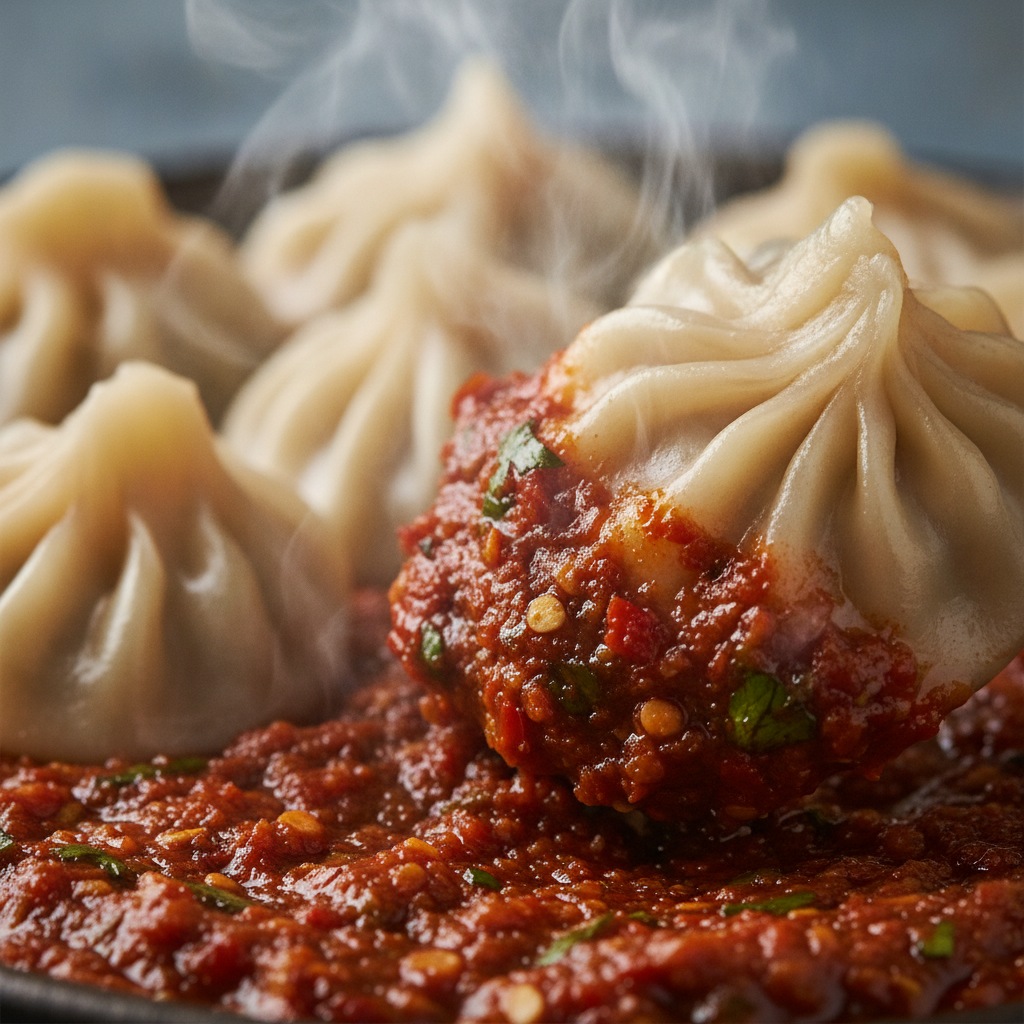
We see strong group satisfaction when momos open the meal. They’re familiar enough for newcomers yet deliver that signature chili kick for fans of heat.
Indo-Chinese (Hakka) favorites
- What it is: A beloved mashup—Indian spices meet Chinese wok techniques. Think Hakka noodles, chili paneer, Manchurian gravies.
- Best for: Crowd-pleasing mains with adjustable heat and big umami.
- Pairs with: Crisp mocktails; steamed rice for saucy dishes; momos as a starter.
- Pro tip: Balance a dry noodle or fried rice with one saucy dish so the table has options.
In takeout tests, Hakka noodles and chili momos hold texture well—handy if you’re carrying dinner to a Cherry Hill meetup.
Tandoori specialties
- What it is: Meats, seafood, and paneer marinated in spiced yogurt, cooked in a high-heat clay oven (tandoor) for a smoky char.
- Best for: High-protein, lower-sauce mains that stay flavorful without heaviness.
- Pairs with: Butter Naan or Garlic Naan; raita to soften heat; a citrusy mocktail.
- Pro tip: Order one tandoori plate plus one curry so your group can sample both styles.
Tandoori brings the sizzle and the smoke—perfect for guests who prefer bold flavor over heavy sauces.
Sizzlers (signature platters)
- What it is: Hot cast-iron platters layered with peppers, onions, and your protein—arriving tableside with an audible sizzle.
- La Tikka favorite: Paneer Shashlik Sizzler—a chef highlight that fans call out in reviews.
- Pairs with: Butter Naan, a cooling raita, and a bright mocktail to tame the heat.
- Pro tip: If your table includes spice-sensitive diners, ask for mild and keep chutneys on the side.
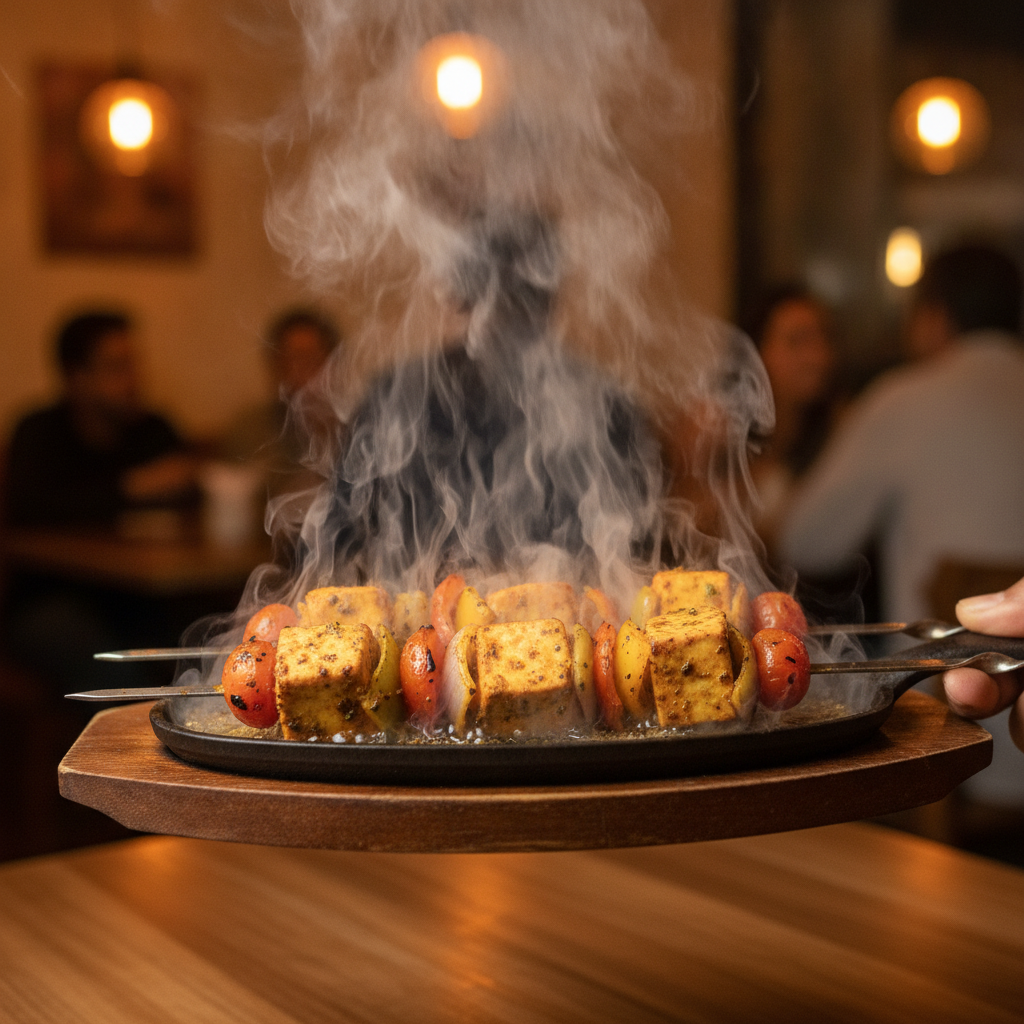
We routinely see sizzlers become the “centerpiece” that anchors a meal, especially for birthdays or celebrations. The sensory pop raises the table’s energy immediately.
Biryani and rice dishes
- What it is: Fragrant, layered rice with whole spices and your choice of protein or vegetables; plus fried rice or steamed basmati for sides.
- Best for: Hearty sharing; pairs well with saucy mains and tandoori plates.
- Pairs with: Raita, kachumber salad, and a tangy chutney to cut richness.
- Pro tip: If ordering multiple curries, one biryani can stretch portions while keeping variety.
Thali specials
- What it is: A curated platter with several mini portions—ideal for trying a range of flavors without over-ordering.
- Best for: First-timers or diners who want balance across dal, vegetables, bread, rice, and a sweet finish.
- Pairs with: A light mocktail or lassi to cool any spice spikes.
- Pro tip: Thali is a smart lunch or solo dinner play—built-in variety with minimal decisions.
If you want a primer on why thali reduces menu fatigue, a quick explainer from The Mithai Maharaja covers the format and its balance.
Wraps and burgers (Indian fusion)
- What it is: Street-style wraps and fusion burgers that pack bold spice into handheld form.
- Best for: On-the-go meals, late-night cravings, or casual group orders.
- Pairs with: Indo-Chinese sides or a small chaat for crunch.
- Pro tip: Mix one handheld per person with one or two shareable mains to keep variety high.
North Indian mains (curries)
- What it is: Saucy, aromatic dishes like Butter Chicken, Paneer Makhani, or Dal Tadka served with bread or rice.
- Best for: Comfort craving; pairs well with naan and a cooling raita.
- Pairs with: Garlic Naan for scooping; biryani or basmati rice for balance.
- Pro tip: Order one creamy, one spicy, and one dry tandoori item for a balanced spread.
Desserts
- What it is: Classics like Gulab Jamun, Rasmalai, or Kheer—sweet finishes that soothe spice.
- Best for: Sharing spoons; ending on a cool, creamy note.
- Pairs with: Masala chai or a gentle mocktail for contrast.
- Pro tip: If your mains ran spicy, pick milk-forward desserts (Rasmalai, Kulfi) for relief.
For a dessert overview, see this concise guide by The Mithai Maharaja—it explains textures and sweetness levels that matter after a spicy meal.
Best practices for ordering smart
Build your order in layers: one crunchy starter, one hero main, one starch or rice, one cooling element, and an optional sweet. Mix creamy and spicy, wet and dry, mild and bold. Confirm spice preferences early and split plates across heat levels for group harmony.
Five-step ordering framework
- Open with crunch: Chaat or momos to wake up the palate.
- Choose a hero: Tandoori, sizzler, or a signature curry like Butter Chicken.
- Add starch: Naan or biryani to anchor textures and soak up sauces.
- Cool it down: Raita, kachumber, or a lassi/mocktail to balance spice.
- Optional sweet: Gulab Jamun or Kheer for a gentle finish.
Group-ordering tips
- Order starters in even numbers so everyone gets a bite or two.
- Split mains between creamy, spicy, and smoky (tandoori) for balance.
- Ask for half-mild, half-spicy versions when possible.
- Pick at least one vegetarian main and one meat-based option for inclusivity.
- Pin a “centerpiece” like the Paneer Shashlik Sizzler to anchor the table.
Logistics that improve the experience
- Timing: Daily Happy Hours run in the afternoon/early evening; arrive a bit early to settle in and order smoothly.
- Late night: Hamilton’s location keeps the kitchen going into the early hours on select days—ideal for post-event meals.
- Takeout: Choose items that travel well (momos, Hakka noodles, tandoori) for park picnics or casual hangs.
Pairings and spice levels (quick reference)
Balance heat and texture by pairing one crunchy starter, a smoky or saucy main, and a starch. Use raita and mocktails to lower spice. Combine dry tandoori with a creamy curry, or match a sizzler’s sizzle with cooling sides and a bright, citrusy drink.
| Dish type | When to pick it | Typical heat | Great pairings |
|---|---|---|---|
| Chaat | Fast, shareable opener | Mild–Medium (tangy) | Lassi, mint chutney, light mocktail |
| Momos | Snackable for mixed groups | Mild–Hot (sauce-driven) | Chili-garlic dip, Hakka noodles |
| Indo-Chinese | Comforting mains | Mild–Hot (customizable) | Steamed rice, citrus mocktail |
| Tandoori | Lean, smoky proteins | Mild–Medium (chutney adds heat) | Butter Naan, raita |
| Sizzlers | Showstopper platters | Medium–Hot (ask to adjust) | Naan, raita, mango lassi |
| Biryani | Hearty sharing | Mild–Medium (whole spices) | Raita, kachumber |
| Curries | Classic comfort mains | Mild–Hot (by dish) | Naan, basmati rice |
Tools and resources you can use
Use three tools: a category checklist to plan variety, a spice-scale slider for group comfort, and a share-count calculator to avoid over- or under-ordering. These simple aids help you order faster, reduce waste, and keep everyone satisfied.
- Category checklist: Tick off starter, hero main, starch/rice, cooling side, and dessert.
- Spice-scale slider: Poll your table on 1–5 heat; place at least one item below and one above the average.
- Share-count calculator: Estimate 1–2 starter bites, 1/2 main per person when sharing, and one starch per 2–3 people.
- Event templates: For catering, map stations by theme: chaat corner, tandoori & sizzlers, Indo-Chinese, dessert.
If you’re new to samosa chaat, this quick breakdown by The Mithai Maharaja shows how textures and chutneys play together—useful when designing a chaat station for events.
Case studies and real-world examples
Successful orders follow a pattern: crisp starter, statement main, starch or rice, a cooling element, and a sweet. See how families, student groups, and event planners in Kitchener apply this flow for dine-in, takeout, and catering—without over-ordering or dulling the experience.
Family dinner after a Cherry Hill meetup
- Context: A family of five meets friends at Victoria Park, then heads over for an early dinner.
- Order flow: Pani Puri and momos to start; Butter Chicken and a tandoori platter; Garlic Naan and a veggie biryani; mango lassi; Gulab Jamun.
- Outcome: Everyone gets a mix of mild and spicy bites; the lassi cools heat for the kids; leftovers travel well for next-day lunches.
Student group celebrating exams
- Context: Eight friends split mains and want a “centerpiece moment.”
- Order flow: Two chaats, two momo plates; Paneer Shashlik Sizzler, one creamy curry, and Hakka noodles; naan basket; mocktails.
- Outcome: The sizzler delivers the wow factor; noodles keep spice-level harmony; mocktails refresh between bites.
Event planner building a reliable catering spread
- Context: A local organizer needs a menu that pleases mixed palates and travels well.
- Order flow: Chaat station (Samosa Chaat, Pani Puri), tandoori station, Indo-Chinese corner (Hakka noodles, Manchurian), dessert miniatures.
- Outcome: Stations allow choose-your-own heat; tandoori and noodles hold up in chafers; dessert minis end on a cool note.
Frequently Asked Questions
Most guests ask about spice levels, best first-time picks, and what travels well for takeout or catering. Here are quick, direct answers you can act on today when ordering from a Kitchener Indian fusion restaurant menu.
What should first-time diners order?
Start with a chaat or momos, then pick a signature main like Butter Chicken or a Paneer Shashlik Sizzler. Add naan or biryani, plus raita or a lassi to balance spice. That mix delivers classic flavors without overwhelming heat.
How spicy is Indo-Chinese food compared to curries?
Indo-Chinese dishes are highly adjustable. Noodles and fried rice tend to be milder unless you add chili sauce; Manchurian or chili paneer can run medium to hot. Curries vary by dish—ask for mild versions and keep chutneys on the side.
What travels best for takeout or picnics?
Momos, Hakka noodles, tandoori platters, and biryani keep texture well on short trips. Pack sauces separately to control moisture. For chaat, assemble wet components just before eating to preserve crunch.
How do I plan a balanced group order?
Use a simple ratio: one crunchy starter, one hero main, one starch or rice, one cooling element, plus an optional dessert. Split heat levels across dishes. Include at least one vegetarian option and one meat-based pick for inclusivity.
Key takeaways
Order in layers: a crunchy opener, a hero main, starch or rice, a cooling element, and a sweet. Mix creamy and spicy, wet and dry, mild and bold. Confirm heat preferences early, and anchor the table with a showpiece like a sizzler.
- Use categories to structure variety and avoid overlap.
- Balance textures: crunchy starters, smoky tandoori, saucy curries, and soft breads.
- Moderate spice with raita, lassi, and mocktails.
- For events, build stations: chaat, tandoori & sizzlers, Indo-Chinese, dessert.
- Late-night seekers can rely on Hamilton’s extended hours on select days.
Conclusion
A strong Kitchener Indian restaurant menu guide helps you choose quickly and eat happier. Use categories to build a flow—starter, hero main, starch, cool-down, sweet—and tune heat to your group. That simple structure works for dine-in, takeout, reservations, and catering in Cherry Hill.
In our Cherry Hill dining room, we’ve found that groups who follow this pattern enjoy more variety and fewer leftovers. Whether you’re planning a quiet family dinner, a late-night hang, or a catered celebration, the category-first approach keeps decisions clear and the table smiling.