
Momos vs kurkure momo comparison is a head-to-head look at steamed dumplings versus their crispy, breaded cousin. Steamed momos emphasize juicy fillings and soft wrappers; kurkure momos deliver crunch and bold spice. For Cherry Hill snackers choosing between cozy comfort and crispy heat, this guide shows when each style shines and what to order.
By La Tikka Indian Fusion · Last updated: 2026-06-28
Quick Summary
Steamed momos are tender, moist dumplings ideal for delicate flavors and lighter appetites. Kurkure momos are deep-fried, crumb-coated, and extra crunchy—perfect when you crave texture and punchy sauces. If you want comfort, choose steamed; if you want a crispy snack with attitude, go kurkure.
Here’s the short version you can act on fast, whether you’re dining with friends, planning group orders, or mapping a Cherry Hill food crawl:
- Texture first: Soft and juicy (steamed) vs shatter-crisp (kurkure).
- Flavor delivery: Steamed highlights filling; kurkure amplifies spices and chutneys.
- Heat tolerance: Kurkure handles chili-garlic heat well; steamed suits mild palates.
- Dips matter: Pair steamed with momo chutney; pair kurkure with creamy or chili-forward dips.
- Group-friendly: Mix trays for balance—half steamed, half kurkure—to please everyone.
- Ready to browse? See the Kitchener menu highlights in our menu handout.
Momos vs Kurkure Momo: Key Differences
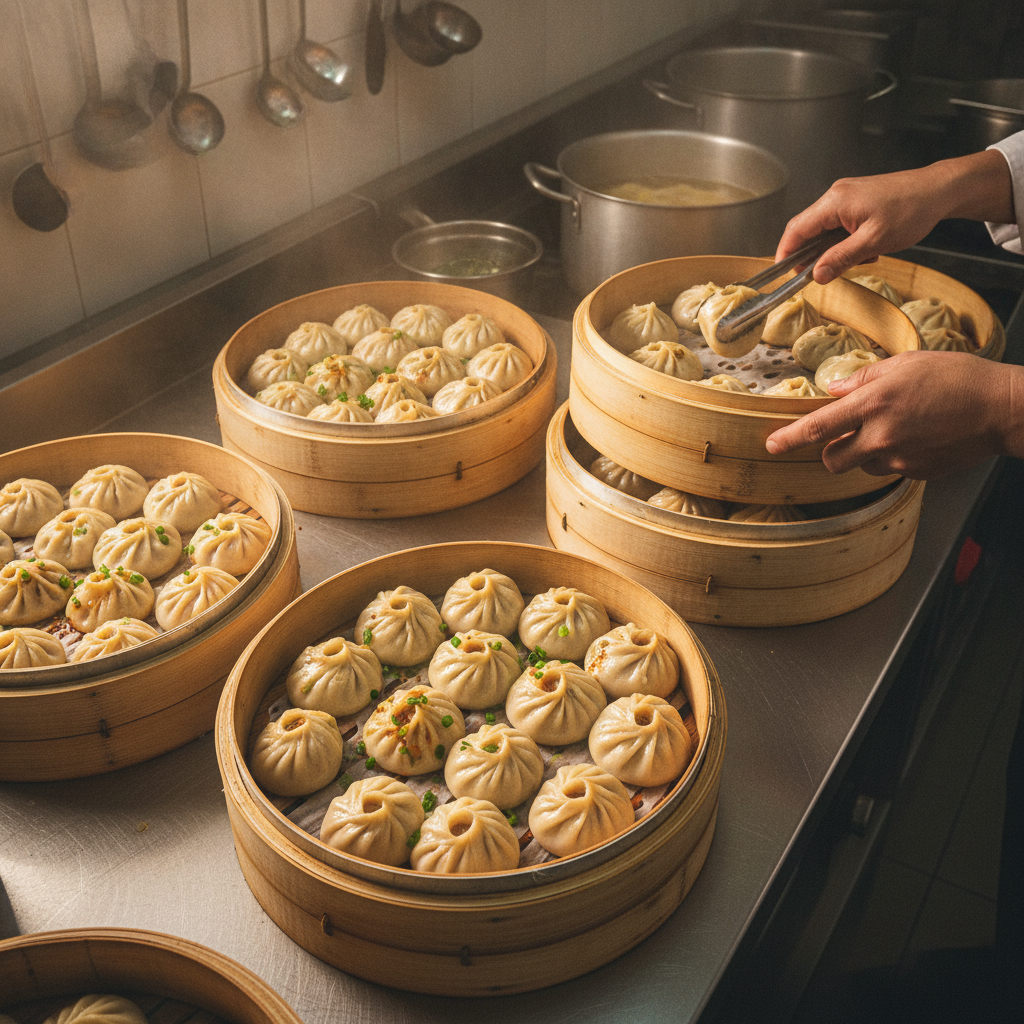
Steamed momos are cooked in a bamboo or metal steamer, preserving moisture and a supple wrapper. Kurkure momos are coated and deep-fried, creating audible crunch and bigger flavor impact. Choose steamed for subtle, juicy fillings; choose kurkure when you want crisp texture and bolder seasoning.
Both styles come from the broader momo tradition, then branch into distinct cooking techniques and flavor experiences. This section breaks down the essentials so you can order confidently for any mood or group.
| Factor | Steamed Momos | Kurkure Momos |
|---|---|---|
| Texture | Soft, springy wrapper; juicy bite | Shatter-crisp exterior; tender center |
| Cooking Method | Steamed in baskets (moist heat) | Breaded/crumb-coated; deep-fried |
| Flavor Profile | Showcases delicate fillings and aromatics | Amplifies spices; pairs with bold sauces |
| Best Sauces | Momo chutney; tomato-sesame; mild chili | Chili-garlic; creamy mayo-based; schezwan |
| Heat Handling | Great for mild to medium spice | Excels with medium to hot flavors |
| Reheat Friendliness | Gentle steam refresh; stays tender | Best fresh; can re-crisp in air fryer |
| Best For | Comfort food cravings; balanced meals | Snack platters; game nights; shareable bites |
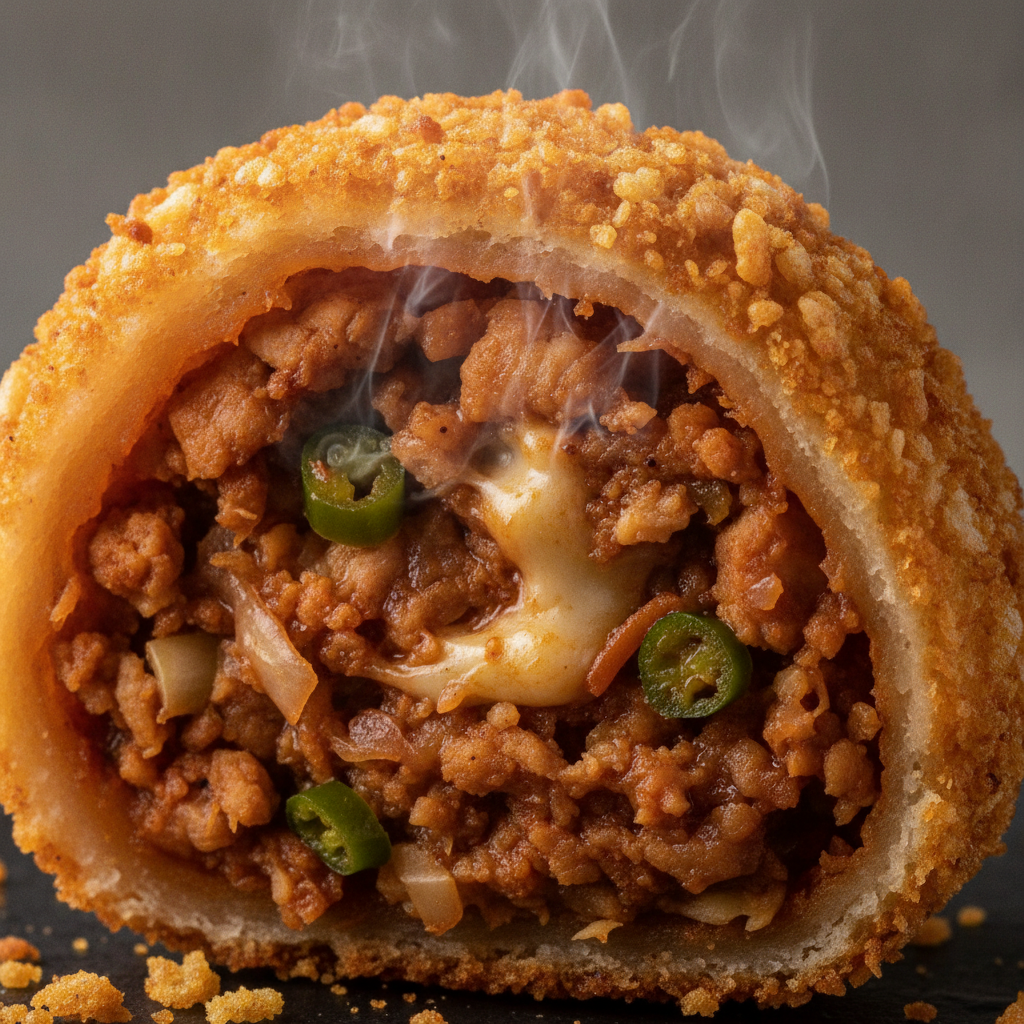
Visualize the contrast—soft, glossy dumplings beside golden-crunch bites—then decide what your table needs today. For mixed groups, half-steamed and half-kurkure platters strike a perfect balance of comfort and crunch.
Our Top Pick
If you’re ordering one plate, choose classic steamed momos with chili-garlic chutney. They deliver consistent juiciness, pair with more mains, and please a wider range of palates—ideal when sharing or adding to a larger Indian fusion spread.
Why steamed as the all-rounder? They’re versatile across La Tikka’s fusion menu—from Indo-Chinese mains to North Indian classics—without overwhelming other dishes. For bar-style snacking (Hamilton’s vibe) or game nights, rotate in kurkure for crunch between sizzlers and wraps.
- Pairings: Works with Hakka noodles and Manchurian or rich mains like Butter Chicken.
- Sauce synergy: Chili-garlic or tomato-sesame preserves balance; add heat only if your table wants a kick.
- Group appeal: In our experience hosting mixed groups in Kitchener and Hamilton, steamed momos disappear first.
- Menu planning: If you’re building a multi-course meal, start light here before you go bold with sizzlers and kurkure rounds.
Top 12 Momo Styles at a Glance
Momos span far more than “steamed or fried.” Use this list to match fillings, cooking styles, and sauces to your mood. You’ll see where kurkure fits among classics like chili momo, tandoori momo, and jhol momo—plus which combos pair best with La Tikka’s Indian fusion menu.
We organized the most requested styles we see from diners, events, and late-night groups. Use these entries to plan a balanced spread.
Entry #2: Kurkure Momos — Crunch Lover’s Favorite
- Why it matters: Crunch adds contrast on mixed platters and handles bold sauces.
- Best use case: Happy Hour snacking and bar nights in Hamilton; party trays for Cherry Hill get-togethers.
- Pairing: Creamy mayo-chili or schezwan dip; follow with a sizzler for sizzle-vs-crunch contrast.
Entry #3: Chili Momos — Indo-Chinese Heat
- Why it matters: Tossed in chili-garlic sauce with peppers and onions; ideal for spice fans.
- Best use case: When your table wants a “momos vs kurkure momo comparison” that favors heat and glaze.
- Pairing: Hakka noodles or fried rice to soak up extra sauce.
Entry #4: Tandoori Momos — Smoky and Charred
- Why it matters: Marinated and roasted; smoky edges bring a barbecue vibe.
- Best use case: Outdoor-feel gatherings or when ordering with tandoori specialties.
- Pairing: Mint chutney and lemon; complements paneer tikka and kebabs.
Entry #5: Pan-Fried (Kothey) — Crisp Base, Tender Top
- Why it matters: Pan-seared bottoms give light crisp without full deep-fry.
- Best use case: When you want texture but still prioritize juicy centers.
- Pairing: Tomato-chili chutney; great before rich mains like dal makhani.
Entry #6: Jhol Momos — Brothy Comfort
- Why it matters: Served in warm, tangy-spicy broth; slurpable comfort.
- Best use case: Cooler evenings near Cherry Hill or after a walk by Victoria Park.
- Pairing: Keep the rest of the meal simple—bread or a light salad.
Entry #7: Afghani/Butter Momos — Creamy Richness
- Why it matters: Creamy coating softens spice; perfect for mild palates.
- Best use case: Family-style dinners where not everyone loves heat.
- Pairing: Garlic naan, butter-kissed mains, and a bright salad for balance.
Entry #8: Vegetarian Paneer Momos — Savory and Satisfying
- Why it matters: Paneer offers protein and gentle richness; takes spice well.
- Best use case: Mixed-diet groups; easy crowd-pleaser at events.
- Pairing: Chili-garlic chutney for kick, or mint yogurt to cool.
Entry #9: Chicken Momos — Classic Crowd Favorite
- Why it matters: Familiar protein, juicy texture, adaptable to any sauce.
- Best use case: First-timers comparing momos vs kurkure momo side by side.
- Pairing: Tomato-sesame chutney; follow with Indo-Chinese stir-fry.
Entry #10: Veggie Mix Momos — Color and Crunch Inside
- Why it matters: Cabbage, carrot, scallion, and aromatics; bright and textural.
- Best use case: Lighter lunches or as a starter before rich curries.
- Pairing: Mild chili or mint chutney to keep flavors clean.
Entry #11: Paneer Kurkure — Double Texture Win
- Why it matters: Kurkure crunch plus paneer’s creaminess; a bar-snack star.
- Best use case: Late-night Hamilton orders and party platters.
- Pairing: Schezwan or chili-mayo; chase with a sizzling platter.
Entry #12: Chili Kurkure — Heat Meets Crunch
- Why it matters: The most assertive profile in this lineup.
- Best use case: When your table wants spice-forward snacks that don’t lose crispness.
- Pairing: Hakka noodles and cold mocktails for balance.
How to Choose for Your Table
Match texture, heat, and sauce style to your group. Mix steamed for moisture and subtlety with kurkure for crunch and punch. Order at least two sauces per plate, and plan pairings with Indo-Chinese sides or tandoori mains for a complete, balanced spread.
Here’s a simple decision path we use with guests in Kitchener and Hamilton—quick to scan, easy to apply for dine-in, takeout, or catering trays.
- Start with texture: Choose one steamed and one kurkure to cover both cravings.
- Pick your heat level: Mild to medium? Stick to momo chutney and tomato-sesame. Love spice? Add chili-garlic or schezwan.
- Add a base: Pair with Hakka noodles or fried rice so sauces don’t overwhelm.
- Balance the platter: Alternate bites—soft steamed, then crunchy kurkure—to keep palates fresh.
- Plan the flow: Serve momos first, then sizzlers or tandoori so the crisp stays crisp.
- Reserve smartly: For larger groups, secure a table via our reservations page so food lands together.
Local considerations for Cherry Hill
- Pre-park snack: If you’re gathering near Victoria Park, steamed momos travel better in insulated containers; bring sauces in separate jars.
- Seasonal plan: Cooler evenings make chili or jhol momos extra cozy; summer patio hangs lean toward kurkure with bright dips.
- Neighborhood timing: After a visit to the Schneider Haus National Historic Site, beat dinner rush by placing takeout orders ahead through our menu section.
Planning a group night? Mix a steamed platter with a kurkure platter, then add noodles and a sizzling dish. For smooth service, confirm your headcount and any dietary notes when you book your table.
Buying Guide (Sauces, Fillings, and Pairings)
Choose fillings that match your mains: chicken or paneer for protein, veggie mix for lighter meals. Pair steamed momos with tangy tomato or classic momo chutney; pair kurkure with chili-garlic or creamy dips. Round out the order with noodles, fried rice, or a sizzling platter.
Use these quick checks to build a restaurant order (or a catered platter) that eats like a full meal, not just a snack.
- Filling-to-menu fit:
- Paneer or chicken when you’re also ordering Indo-Chinese mains—protein keeps the meal cohesive.
- Veggie momos when pairing with rich curries or thali; they add a lighter, fresh counterpoint.
- Sauce matrix:
- Steamed + momo chutney for a balanced, tomato-chili hit.
- Kurkure + chili-garlic for big flavor that won’t sog the crust.
- Need cool-down? Add mint yogurt as a palate reset between spicy bites.
- Starch and sides:
- Hakka noodles or fried rice catch extra sauce and make sharing easier.
- One sizzling platter adds theater and feeds a crowd without duplicating flavors.
- Serving sequence: Serve momos first, then sizzlers, then mains—so each course hits peak texture.
- Reservations and timing: Busy weekends? Check location hours and arrive 10–15 minutes early for hot, crisp plates.
Frequently Asked Questions
Steamed momos are soft and juicy; kurkure momos are crunchy and bold. For mild flavors choose steamed; for texture and spice choose kurkure. Below are quick answers to the questions guests ask us most.
What’s the main difference between momos and kurkure momos?
Classic momos are steamed dumplings with soft wrappers and juicy fillings. Kurkure momos are coated and deep-fried for a crunchy exterior. Choose steamed for gentle, balanced flavors; choose kurkure when you want crisp texture and bigger sauce impact.
Which style pairs better with spicy chili sauces?
Kurkure momos. The crisp shell stands up to chili-garlic or schezwan heat without getting soggy. If you prefer mild spice, stick to steamed momos with tomato-sesame or classic momo chutney.
What should I order for a mixed group with different spice levels?
Split the order: one plate of steamed and one of kurkure. Provide two or three sauces from mild (tomato-sesame) to hot (chili-garlic). Add noodles or fried rice so everyone can build balanced, shareable bites.
How do I keep momos tasty for a park picnic near Cherry Hill?
Carry steamed momos in an insulated container with vents slightly open to prevent condensation. Pack sauces separately and dress at the picnic. Kurkure momos are best eaten soon after pickup for peak crunch.
Methodology
We built this comparison from guest feedback in Kitchener and Hamilton, service patterns during peak hours, and hands-on tasting of steamed, kurkure, chili, and tandoori momos with common pairings. We prioritized texture retention, sauce synergy, and group-friendliness.
In our experience:
- Texture scoring: We tested bites within minutes of service, then again after short holds to mimic table delays.
- Sauce tests: We paired tomato-sesame, momo chutney, chili-garlic, mint yogurt, and schezwan to see which enhanced rather than masked fillings.
- Pairing impact: We ate momos alongside noodles, fried rice, sizzlers, and North Indian mains to judge overall menu flow.
- Group behavior: Mixed platters (steamed + kurkure) were consistently finished faster than single-style orders during busy nights.
We also review popular Indian snack discussions and overviews for context on flavor preferences and snack behaviors, such as this general Indian snacks guide, a look at samosa chana chaat, and a broader take on North Indian street food culture.
Key Takeaways
Steamed equals soft and juicy; kurkure equals crisp and bold. Order both for mixed groups, add two sauces, and anchor the meal with noodles or a sizzling platter. That balance keeps every bite interesting from first plate to last.
- Pick steamed for subtle fillings and wider group appeal.
- Pick kurkure for texture, heat, and bar-style snacking.
- Order at least two sauces; pair with Hakka noodles or fried rice.
- Sequence matters: momos first, then sizzlers, then mains.
- For Cherry Hill outings, steamed travels better; kurkure is best fresh.
Conclusion
There’s no single “winner”—steamed and kurkure momos play different roles. Use steamed to anchor the meal with juicy balance; use kurkure to add crunch and heat. Together, they build a shareable spread that satisfies every palate at the table.
Here’s the thing: your perfect plate depends on craving and context. If your group is splitting sizzlers and Indo-Chinese mains, start with steamed for harmony. If you’re grazing through snacks during a Cherry Hill hangout, add kurkure for that satisfying crunch. For smooth service, preview our menu section and reserve ahead—then enjoy every bite.