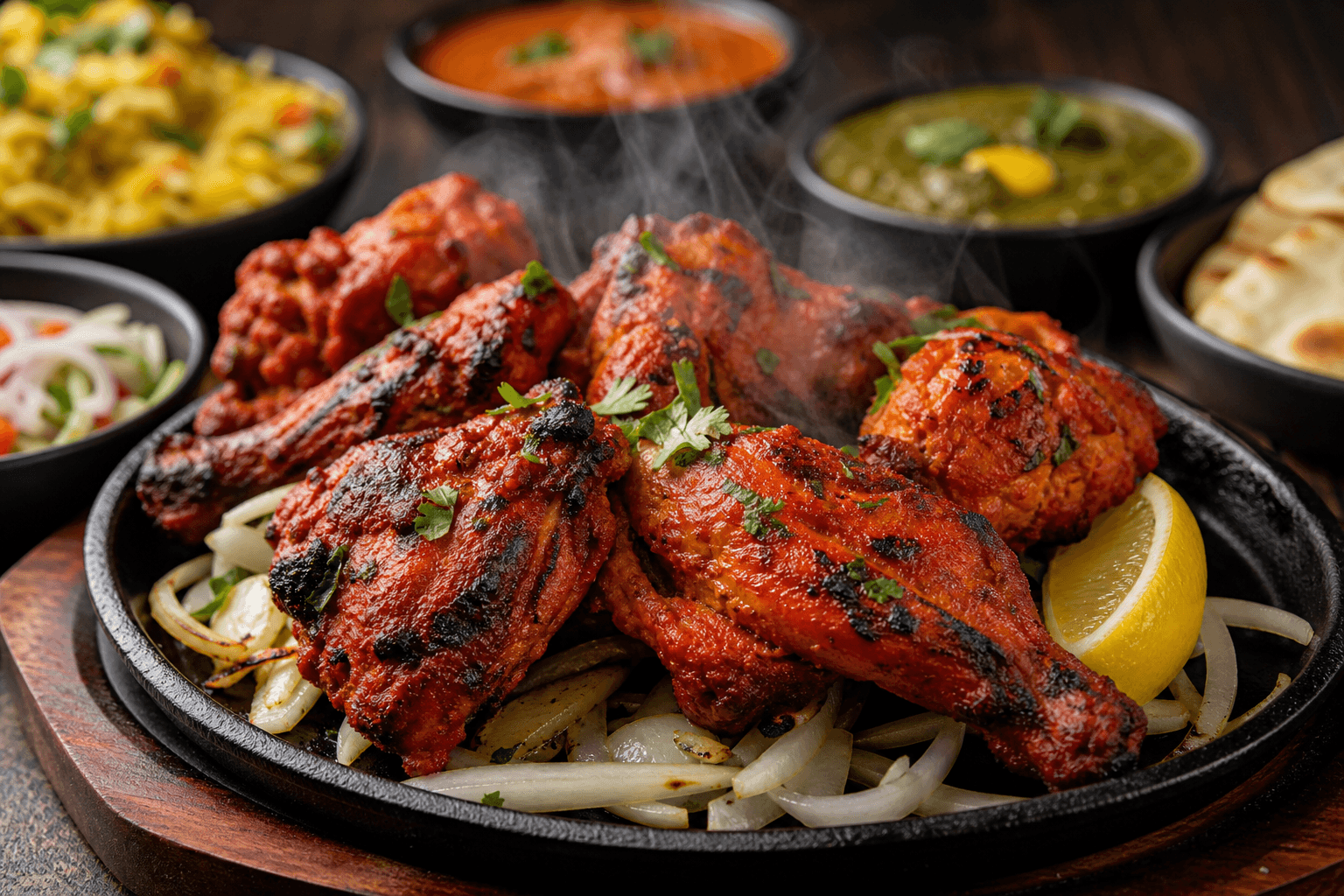
This tandoori specialties guide gives local diners and event planners seven clear decision checks to use before you order, reserve a table, or book catering in Kitchener or Hamilton. Each numbered check explains what to look or ask for, how the signal affects taste and transport, and which La Tikka resources to use next. Use this checklist at the table, on a call with the caterer, or when scanning menus online.
1. Freshness and ingredient sourcing
Why it matters: Fresh meat, paneer, and produce give tandoori items better texture, brighter colour, and cleaner char. Fresh ingredients also tolerate the high heat of a tandoor without drying out, which matters for both dine-in and takeout.
How to check: Look for menu notes about sourcing, short ingredient descriptions, and recent photos. If the menu is thin on detail, ask staff whether proteins are prepared daily and how long marinades rest. For La Tikka, view the Kitchener menu or the Hamilton menu on the official site to confirm tandoori items and dish descriptions.
What it means for takeout or catering: Fresher items reheat more predictably and retain moisture during transport, so fresh sourcing reduces the risk of a dry final dish when you serve guests.
2. Marinade depth and balance
Why it matters: A well-constructed marinade, typically a yogurt or oil base with layered spices and measured acidity, is the foundation of tandoori flavour. Balance shows in tender meat and in how spice and smoke come through without one note overwhelming the rest.
How to verify: Read the dish description for phrases such as "marinated overnight", "yogurt and spice rub", or specific spice blends. If descriptions are brief, ask the server whether the item is marinated for several hours and whether the kitchen can alter spice or acidity. Experienced kitchens will describe a marinade rather than only use the label "tandoori".
Why paneer needs special attention: Paneer absorbs marinade differently from meat. A deep marinade and sufficient resting time ensure a paneer tandoori dish has flavour through the block rather than only on the surface.
Expert note: A short consumer checklist used by tandoori houses prioritises marinade depth and balanced spices because this profile is detectable before tasting and predicts a satisfying result.
3. Correct tandoor heat and cooking technique

Why it matters: Tandoor ovens and high-flame burners produce the signature char, smoky perfume, and searing that define good tandoori. A kitchen built for North Indian cooking requires specific equipment and workflow, and those choices affect consistency and speed of service. For owners or planners, specialised layout and appliances are not optional. See an industry checklist that explains how layout and equipment affect quality and throughput.
How to tell: Visible char marks, a slight smoky aroma, and even searing are good signs. If possible, ask whether the item is cooked in a tandoor or on a high-heat grill rather than baked in a conventional oven. For technical context about kitchen setup and why tandoor capability matters, consult a North Indian restaurant kitchen setup checklist.
Service impact: Proper tandoor technique shortens cook time and reduces the risk of items arriving overcooked in catering orders. When a tandoori kitchen is organised for volume, you will notice steadier portion times for groups and events.
References: a short expert checklist highlights freshness, marinade balance, and correct oven temperature as pillars of tandoori quality; a practical industry checklist explains kitchen layout and equipment requirements (Check Quality At A Tandoori Restaurant In London, North Indian Restaurant Kitchen Setup Checklist for New Owners (2026 Guide)).
4. Spice level control and customization
Why it matters: Groups often include people with very different heat tolerance. A good tandoori kitchen will offer clear spice options so you can order milder variants for children or hotter versions for those who want heat. Responsiveness to spice preferences is both a convenience and a practical quality signal.
How to check on a menu or in person: Look for explicit spice level markers or notes that dishes can be adjusted. If the menu is silent, call ahead or ask your server whether the kitchen will reduce or increase chiles and masala. Reviews and staff replies sometimes mention whether a restaurant accommodates requests, which is useful before placing a large order.
Practical tip: When booking catering, state your preference for a balanced default and include counts for guests who require mild or no spice. La Tikka lists contact points for reservations and catering on its site for this kind of coordination.
5. Vegetarian tandoori choices and shareable platters
Why it matters: Vegetarian tandoori items such as marinated paneer or vegetable shashlik can function as mains for non-meat eaters when the marinade and cooking technique are done correctly. Shareable sizzling platters work well for groups and help you mix vegetarian and non-vegetarian choices on one tray.
How to decide: Look for named vegetarian tandoori dishes and for platter or sizzler sections that explicitly list paneer or vegetable options in the menu PDFs. If you need mixed platters, ask whether the kitchen can prepare separate vegetarian and non-vegetarian marinades or keep items separate on delivery trays. La Tikka publishes location menus so you can confirm available vegetarian tandoori plates before you order.
Ordering strategy for groups: When you expect mixed preferences, select at least one dedicated vegetarian tandoori main per four guests, and ask the kitchen to clearly label and separate trays during delivery for easier service.
6. Portions, value signals and Happy Hour suitability

Why it matters: Portion size and presentation determine whether a tandoori item is best for one person, to share between two, or to include as part of a multi-dish catering package. Some tandoori dishes also fit Happy Hour or small-plate formats better than others.
Decision rules: If the menu lists sizzlers or platters, those often serve two or more people. Single-item tandoori mains usually accompany rice and bread, and a shareable judgement is whether the kitchen provides a platter option. Check daily specials and Happy Hour details when you want to pair tandoori bites with drinks, because value offerings frequently highlight shareable items.
Where to confirm: La Tikka promotes daily Happy Hours and menu variety on its site, which makes it easy to confirm whether specific tandoori items appear on Happy Hour boards or in the regular menu before you visit.
7. Catering suitability and logistics
Why it matters: Some tandoori items travel and reheat better than others. Whole rotisserie-style items and deeply marinated cuts often hold moisture through transport, while thin cuts or heavily charred edges can dry during long holds. A commercial kitchen built for North Indian service will offer holding techniques and packaging tailored for catering orders.
Questions to ask your caterer: Can the kitchen supply insulated holding boxes and reheating instructions? Do they provide on-site service staff for plating or carving? How many portions per platter and what lead time do they require? For technical context about kitchen layout and catering readiness for North Indian menus, see the restaurant kitchen setup checklist.
How La Tikka can help: Use the site contact points to request a catering quote and attach the menu PDF for your chosen location. Include date, head count, number of vegetarians, preferred spice levels, and any required on-site equipment. The team will confirm what travels well and what they recommend for service at your venue.
How to reserve, order takeout, or request catering from La Tikka
Fast steps to convert:
- View the Kitchener menu (menu_kitchener.pdf) or the Hamilton menu (menu_hamilton.pdf) to pick tandoori items and shareable platters before you call.
- For dine-in reservations or catering requests use the contact form and phone details on La Tikka's site.
- When requesting a catering quote, include event date, head count, number of vegetarian guests, spice preferences, and whether you need on-site staff or equipment.
- If you plan to use Happy Hour for a smaller gathering, check daily specials and ask whether the tandoori items you want qualify for the offers.
These steps make ordering and coordination faster and reduce the chance of last-minute substitutions. Start with the relevant menu PDF so you and the team are working from the same list.
Frequently asked questions
Can La Tikka adjust spice levels for tandoori dishes for my group or event?
Yes. Most kitchens will adjust chiles and masala when asked. When you request a catering quote, specify exact counts for mild, medium, and hot preferences so the kitchen can portion marinades and label trays correctly. Use the La Tikka contact page to provide these details.
Which tandoori items at La Tikka are vegetarian or suitable for non-meat eaters?
La Tikka lists vegetarian tandoori-style items such as paneer shashlik sizzlers and vegetable platters on its location menus. Check the Kitchener or Hamilton menu PDFs before ordering and confirm portion size when booking for groups.
Are tandoori sizzlers and platters good choices for catering and transport?
Sizzlers and large platters can work well if the kitchen provides insulated packaging and reheating instructions. Discuss holding times and service logistics with the caterer to ensure texture and moisture are preserved during delivery.
How do I get La Tikka’s menu and request a catering quote for Kitchener or Hamilton?
Download the Kitchener menu or the Hamilton menu, then use the site contact form or phone numbers in the contact section to request a catering quote. Include event date, guest count, dietary restrictions, and spice preferences for the fastest response.
What signs should I look for on a menu to tell whether a tandoori dish was cooked in a proper tandoor?
Look for descriptive words like "charred", "smoky", "tandoor-fired", or notes about direct tandoor cooking. If the menu lacks those details, ask staff whether the kitchen uses a tandoor oven or high-heat grill. The presence of a tandoor and related equipment is an important quality signal for consistent results.
Key references used in this checklist include a practical industry checklist on North Indian kitchen setup for equipment and layout context and a short expert checklist that highlights freshness, marinade balance, oven temperature, and service as pillars of tandoori quality (North Indian Restaurant Kitchen Setup Checklist for New Owners (2026 Guide), Check Quality At A Tandoori Restaurant In London).
Ready to try tandoori that fits your group or event? Visit La Tikka Indian Fusion to view menus and contact the team for reservations or catering.